I have the same problem for 2 years now , Please Help Me

Hello ,
As i Said i've this problem for almost 2 years now and i've alreay tried every single tip on youtube tutorials but never ever solved !
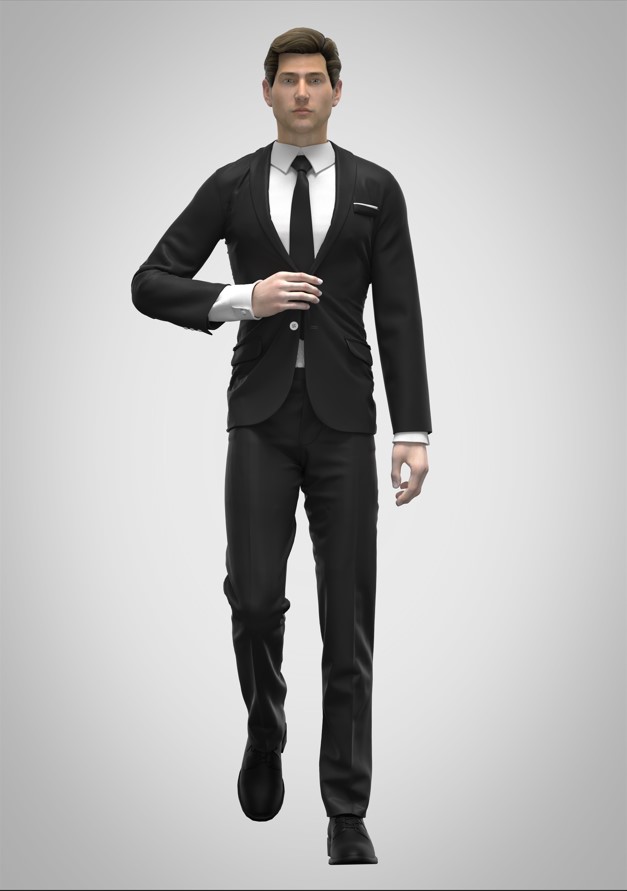
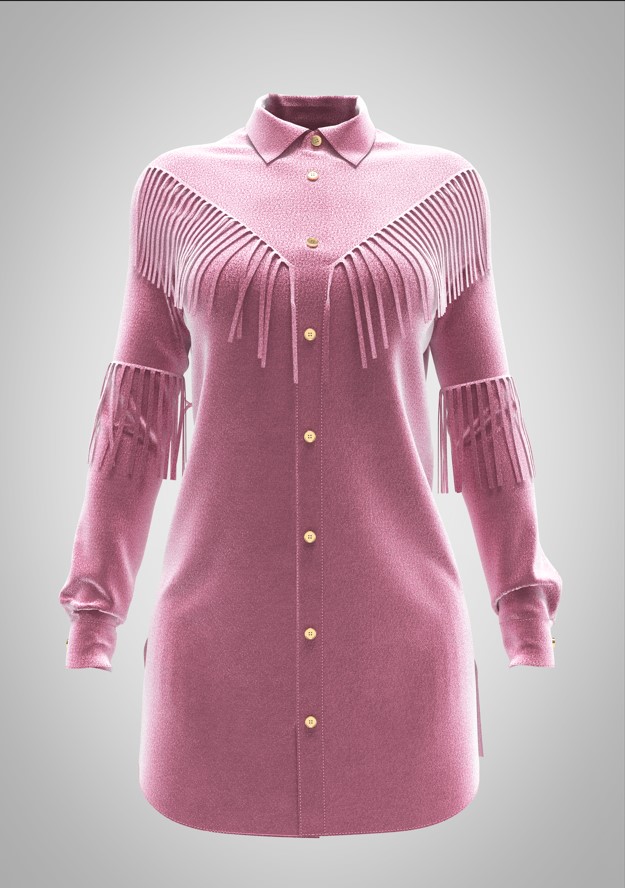
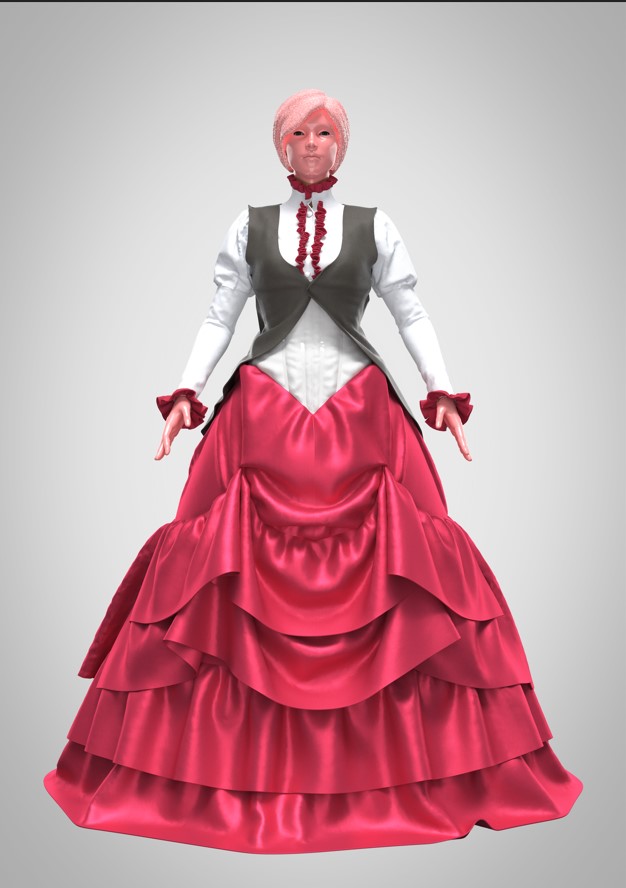
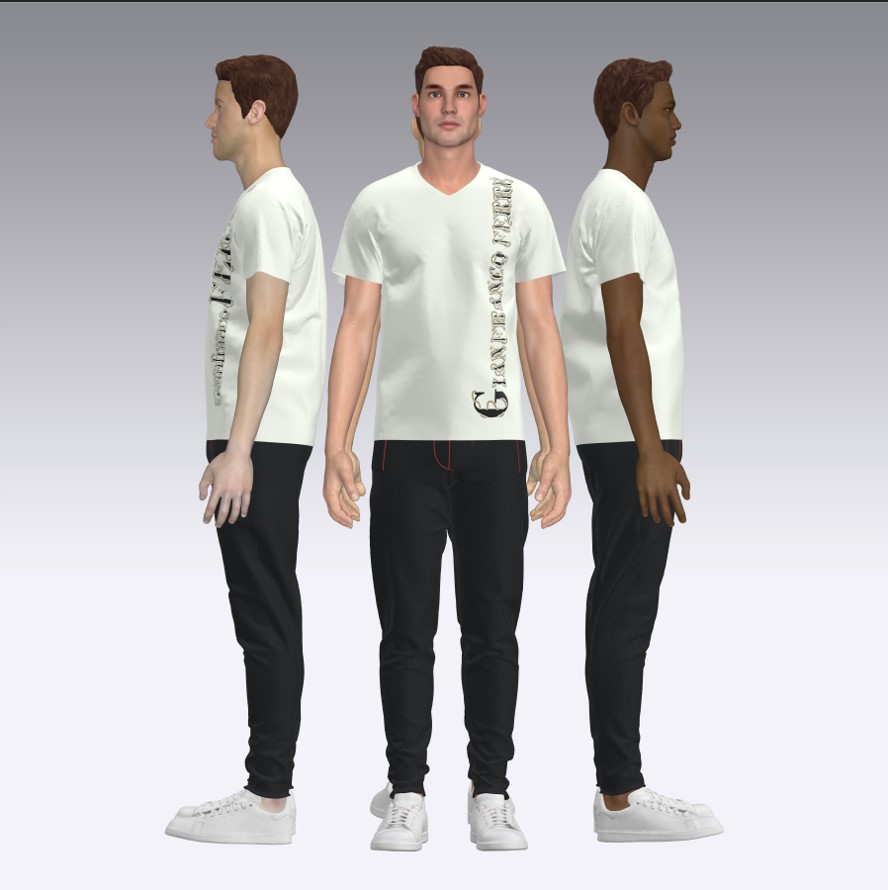
Please help me make the garments look more realistic they always look like thick paper or drawn garments with all details
and very noisy even wheni set noise to 1
Do you export them to another software which i should learn ? or is this anyway to get realisic look with clo 3d Render
-
Hi tooosa,
You can check this video in order to enhance the quality of your garment here.
Otherwise, could you provide some screenshots of your rendered image and your render settings so we will have the information that we need to help you? Thank you!
0 -
Hello , thanks so much for repling me
yes i've aleady watched this video and it's informative but i don't know what's wrong with my renderthese ar some screnshots of my render and settings
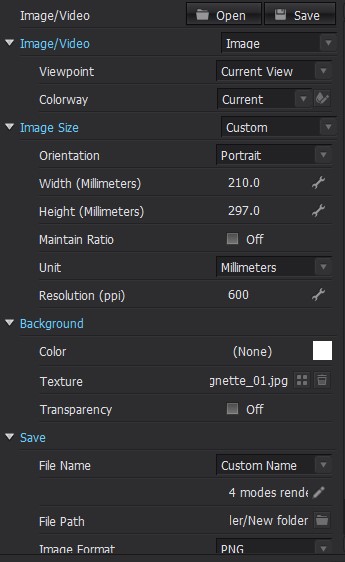
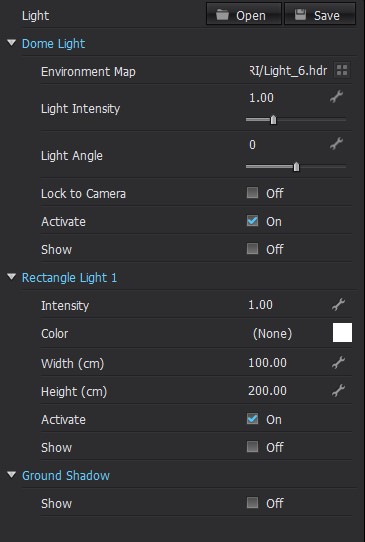
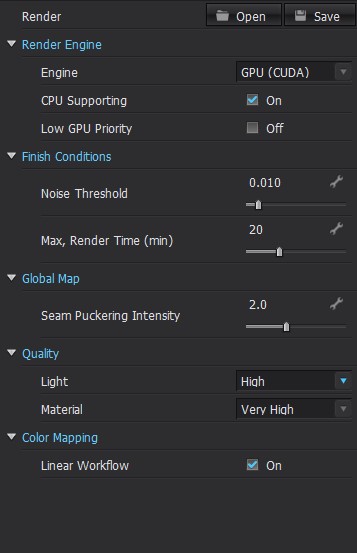 0
0 -
here are some other users' work which i'm really want to get their level of that realistic look
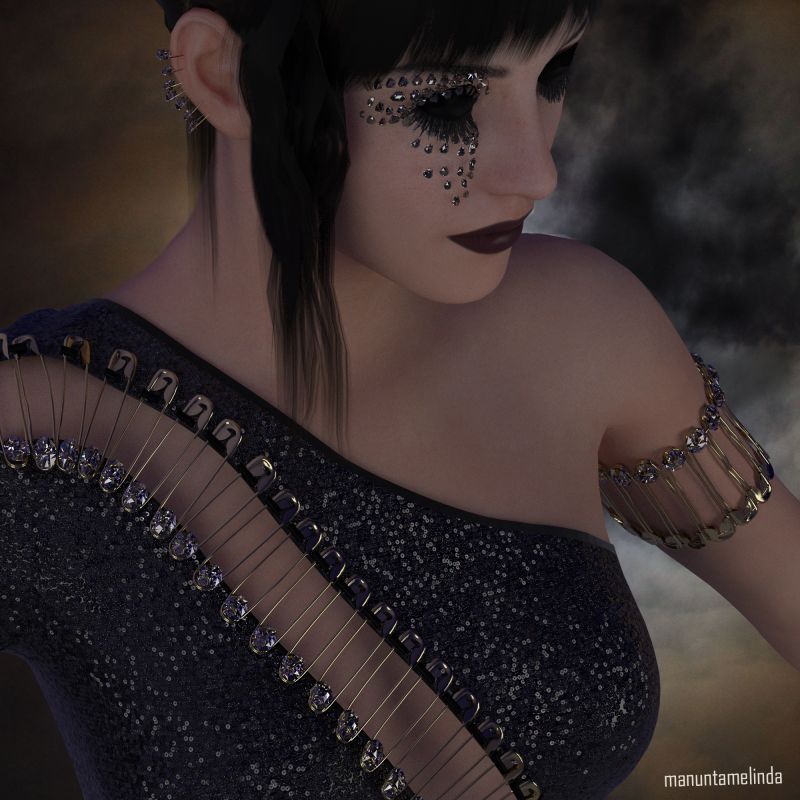
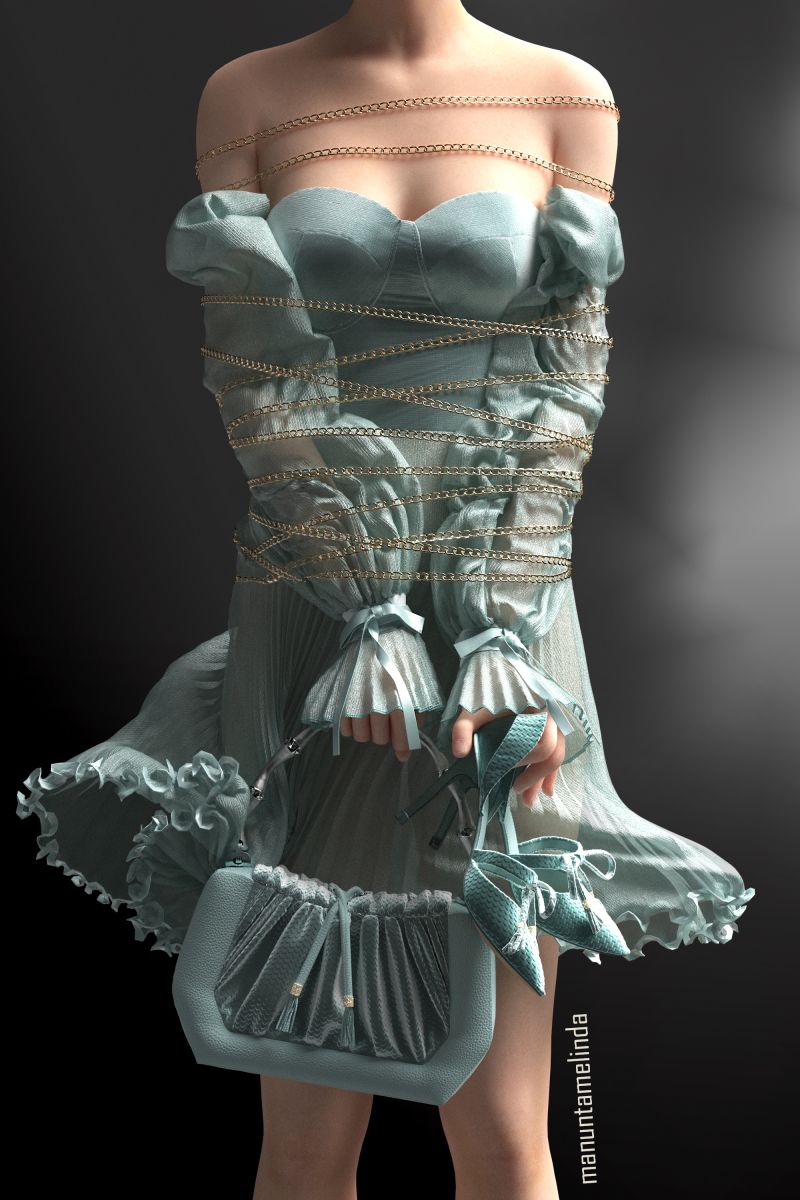
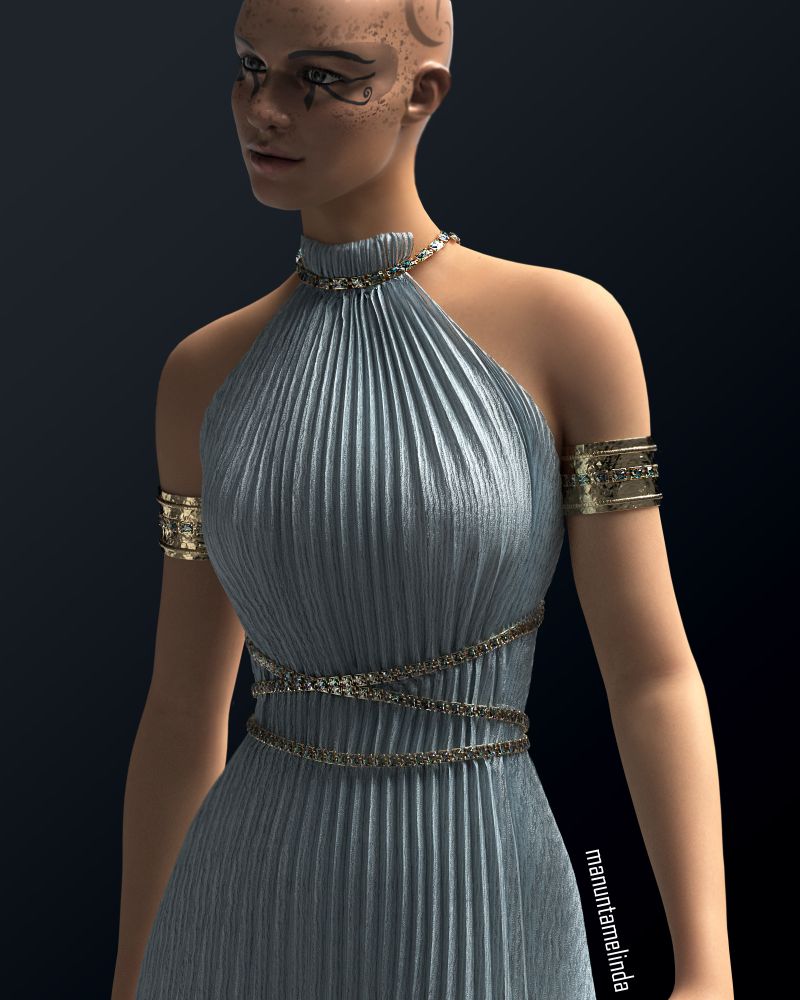
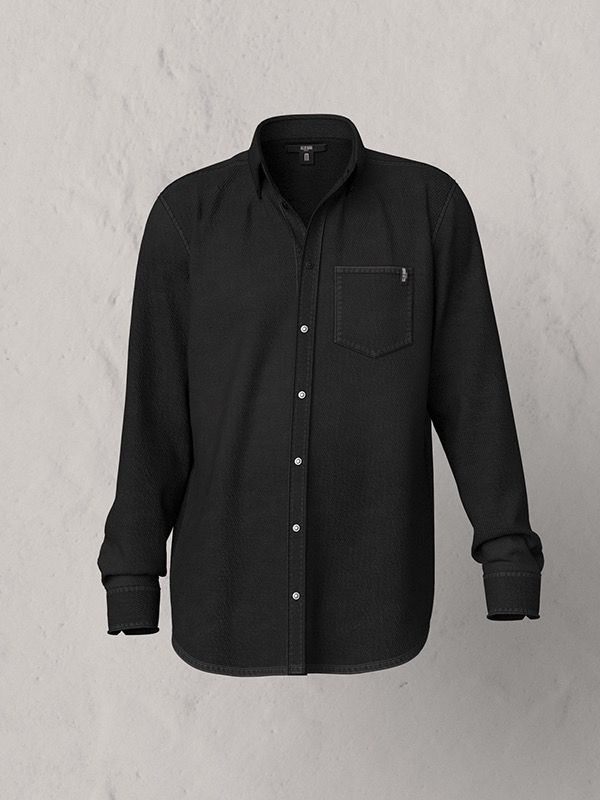
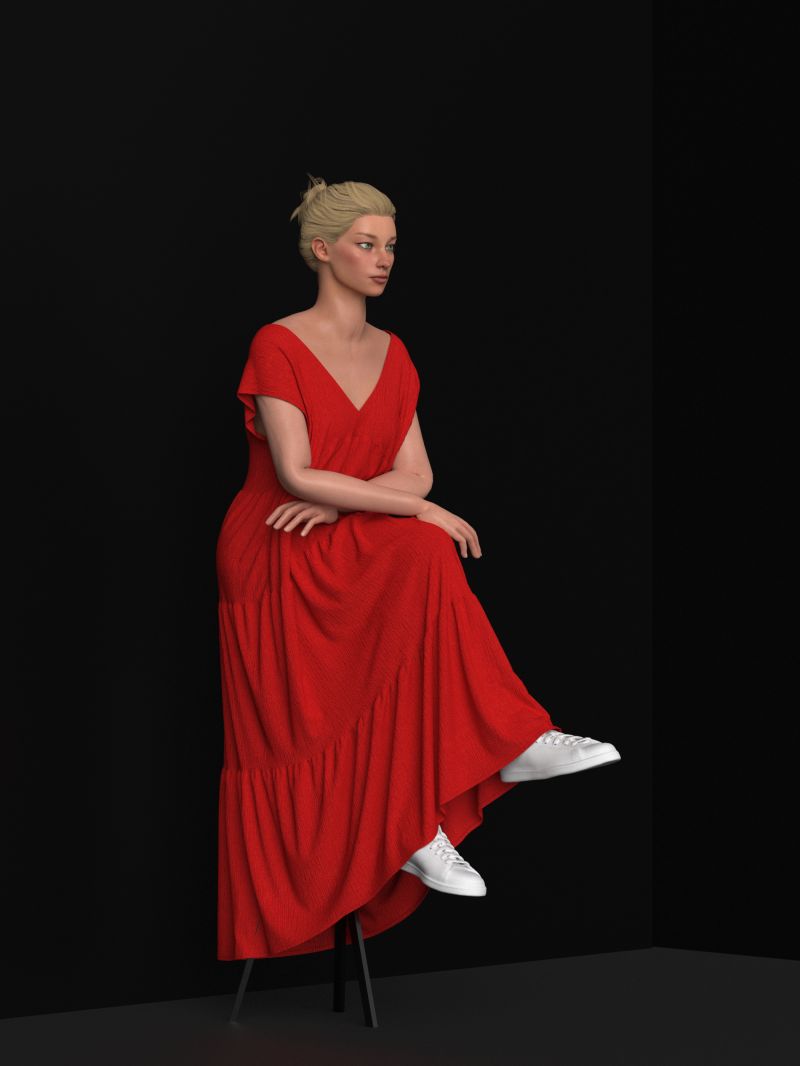
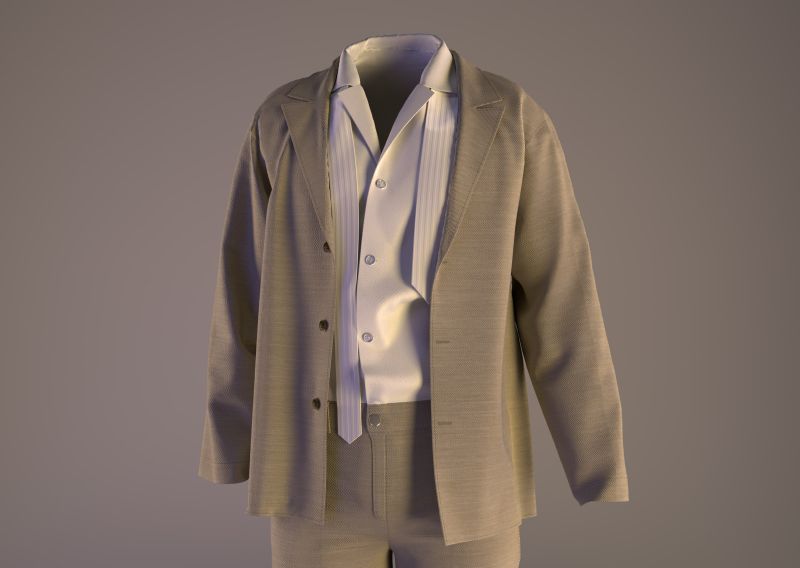
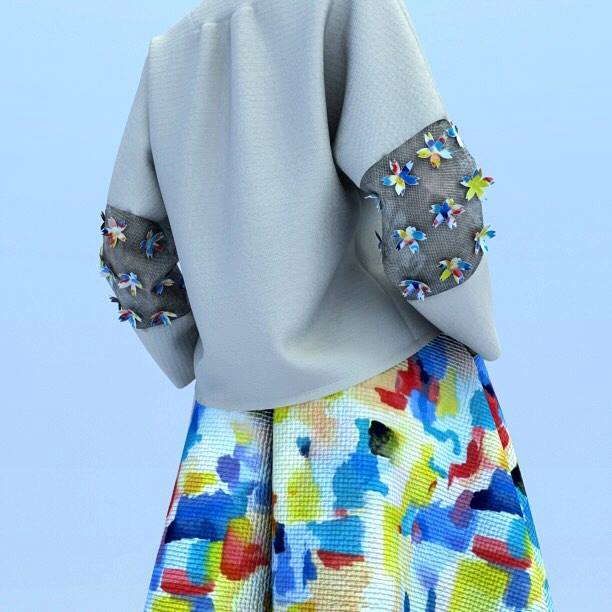

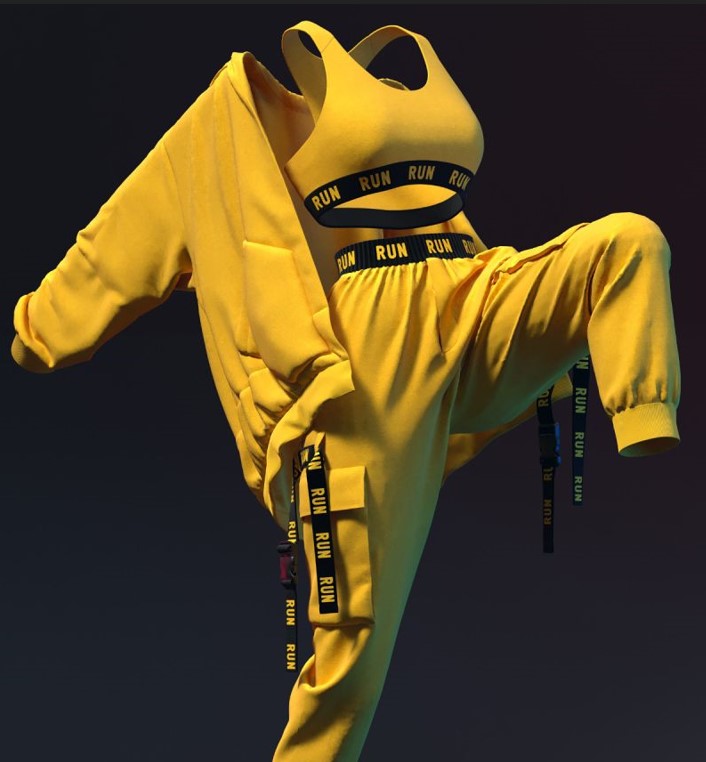 0
0 -
It's not what you think. A lot of the quality you want to get is down to shader setup and texture image quality you place into that fabric /skin shader.
The resolution of your fabrics (textures) and lighting , material shader setup is what is causing most of your 'realism' issues in your rendering.
The good news is that this can all be learnt and vray has the power to deliver on good fabric textures as long as you place in great image data maps.
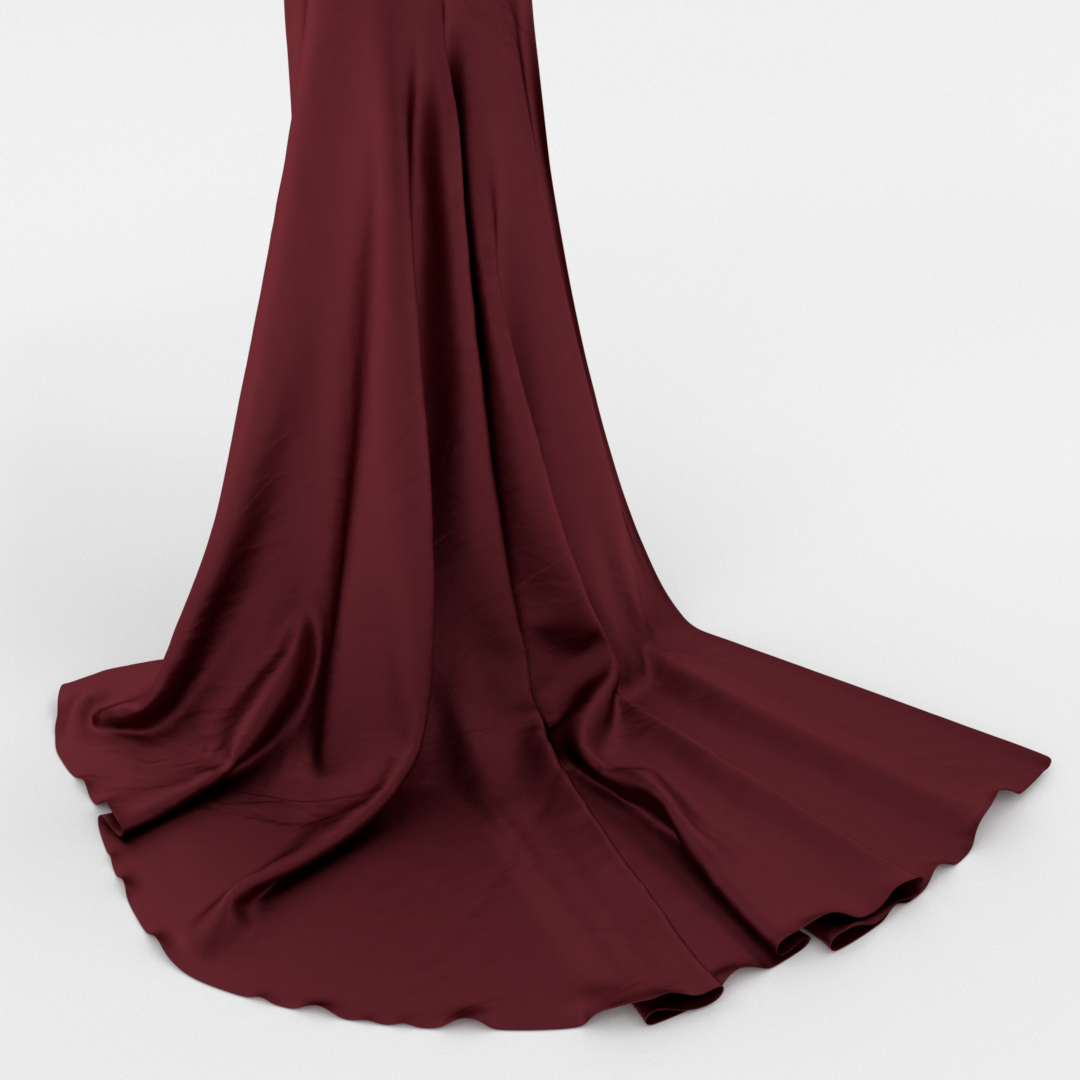
So you may need to adjust the types of texture map or control you have in the vray shader type. See this 'suede' fabric texture is made up from more than 1 texture map.
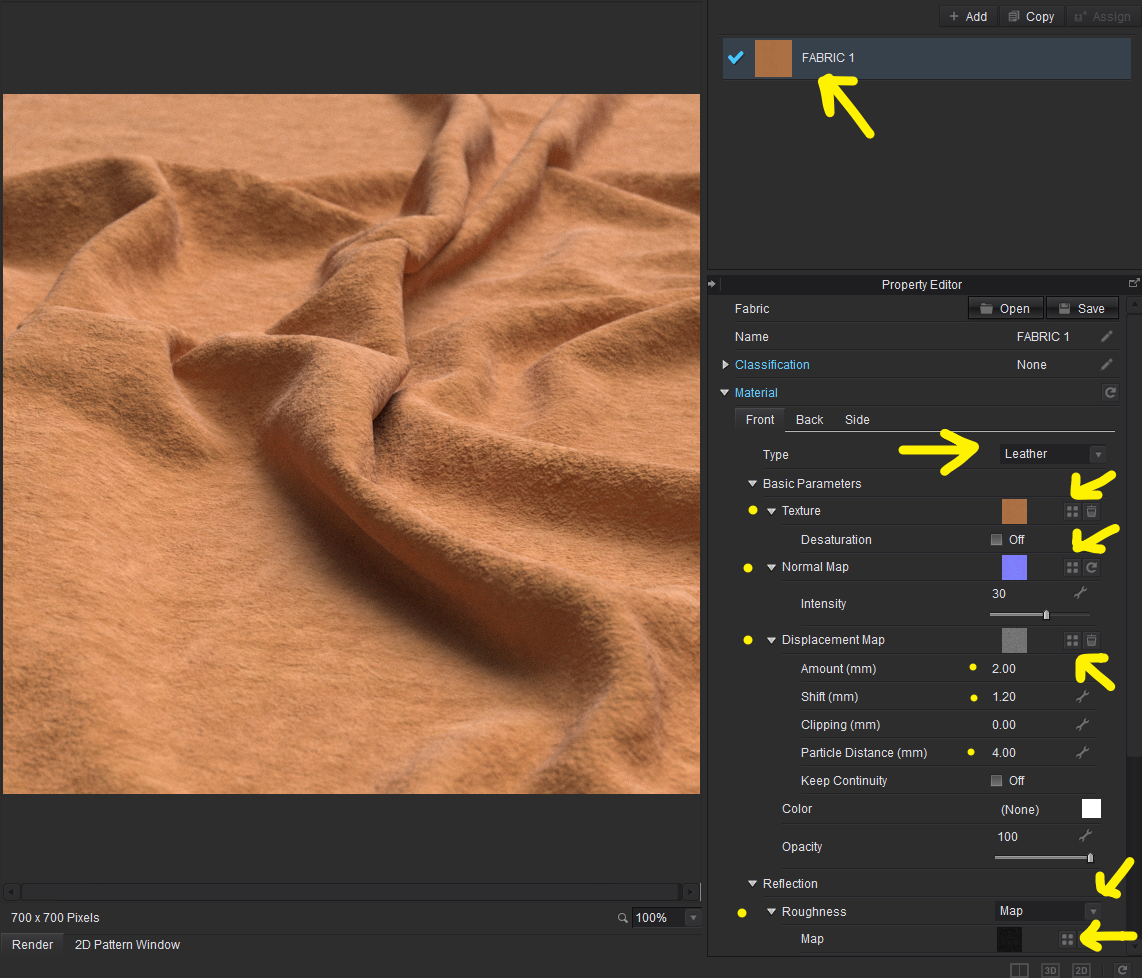
And a silk might require a change in the 'Type' of shader you select before you place in the texture maps. Not all vray shaders are created equal they have slightly differing construction so knowing which to select before you apply your texture maps can have a big impact on the rendered result as the reflection, anistropic, and edge noise (sheen) values could be wildly different between shader choices.
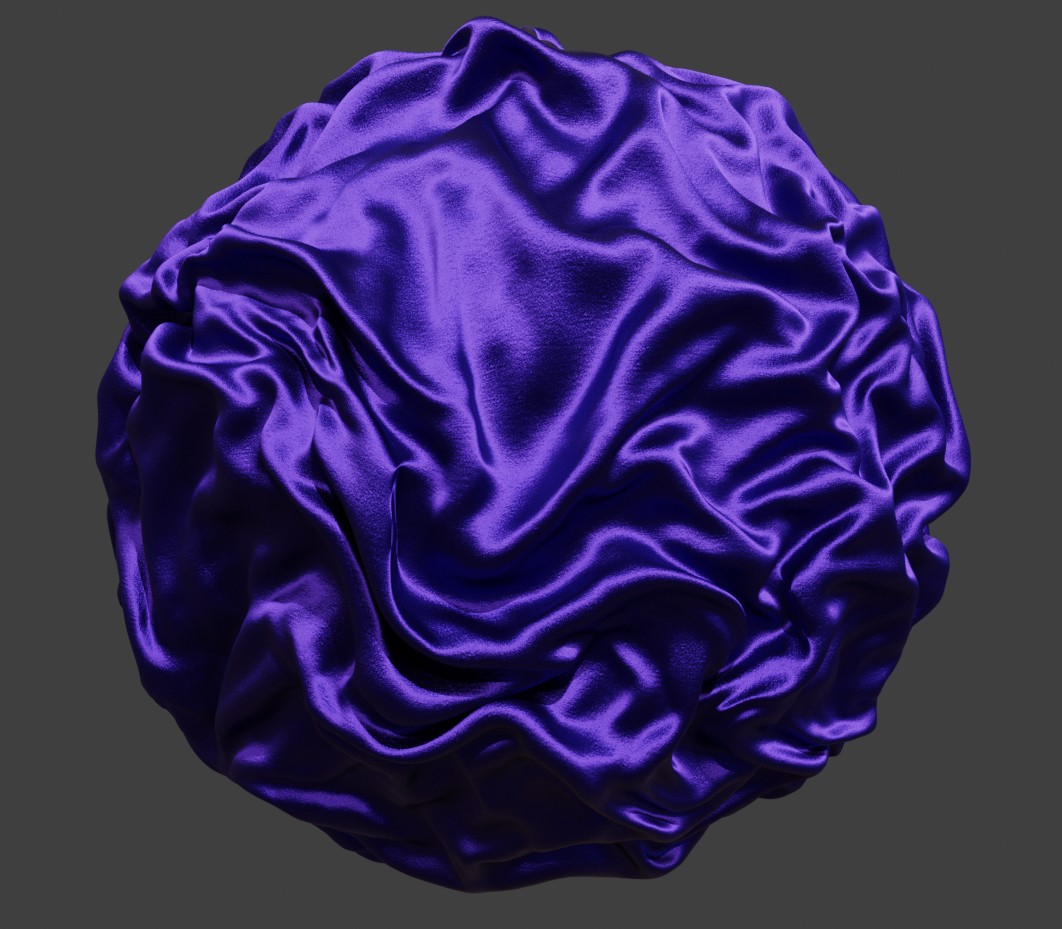
Below you can see in this silk. The grazing angles on the sphere changes the color (reflection) according to the weave just like a real silk it gets that golden metallic sheen. This requires a very high quality digital texture image, that you may not get from many of the standard library fabrics as they are not captured at high enough texture (pixel) to weave count resolution.
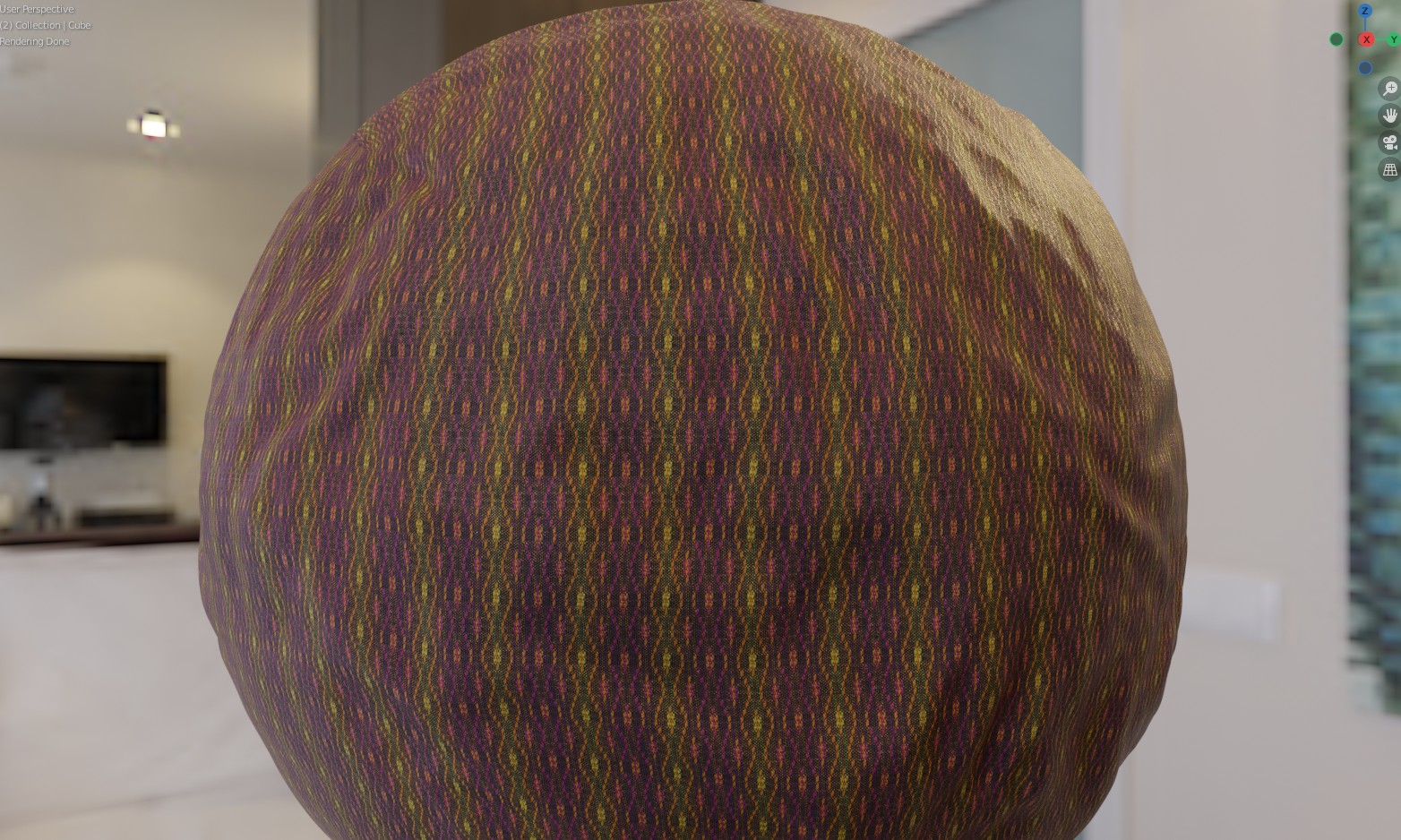
The same with deeper piled weaves ... you may require more specular / reflection noise to catch all the imperfections along with a normal map that has that angular data in the file. Many if not all of the standard CLO3D fabrics don't have that level of normal (angular) data, they have been normalized so they only appear good at a distance camera full frame garment and not close up. So you also need to factor in changes to how you set normal,specular and roughness based on camera setup.
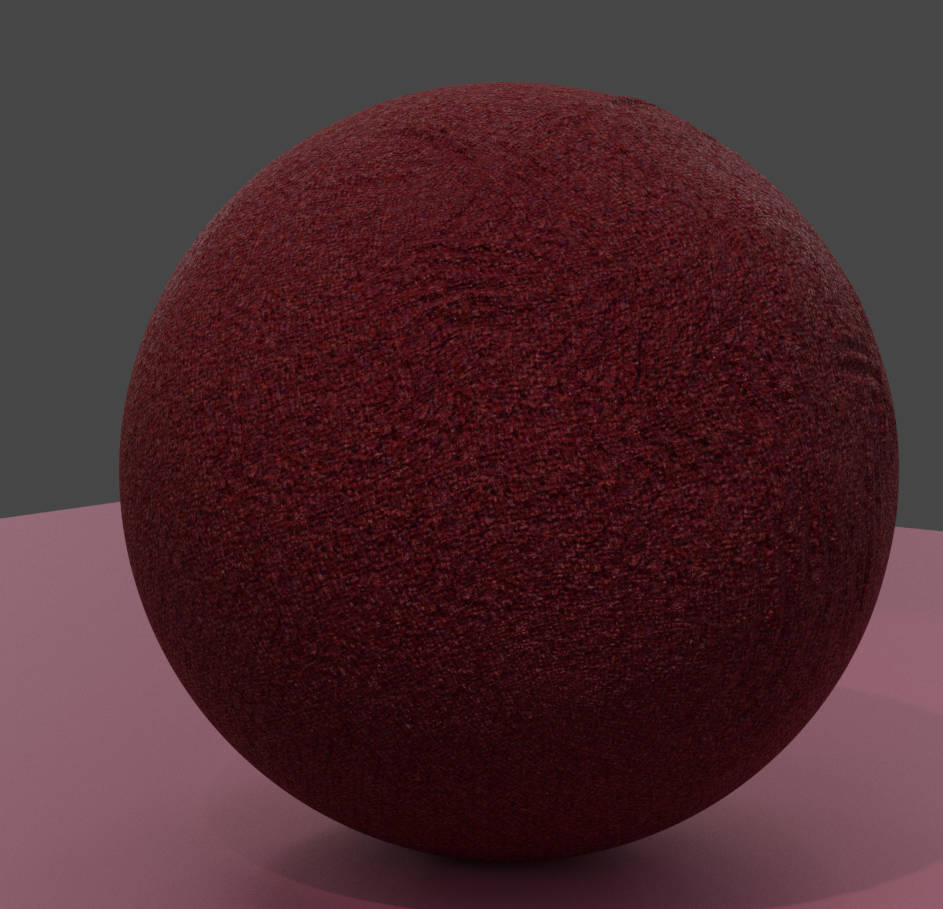
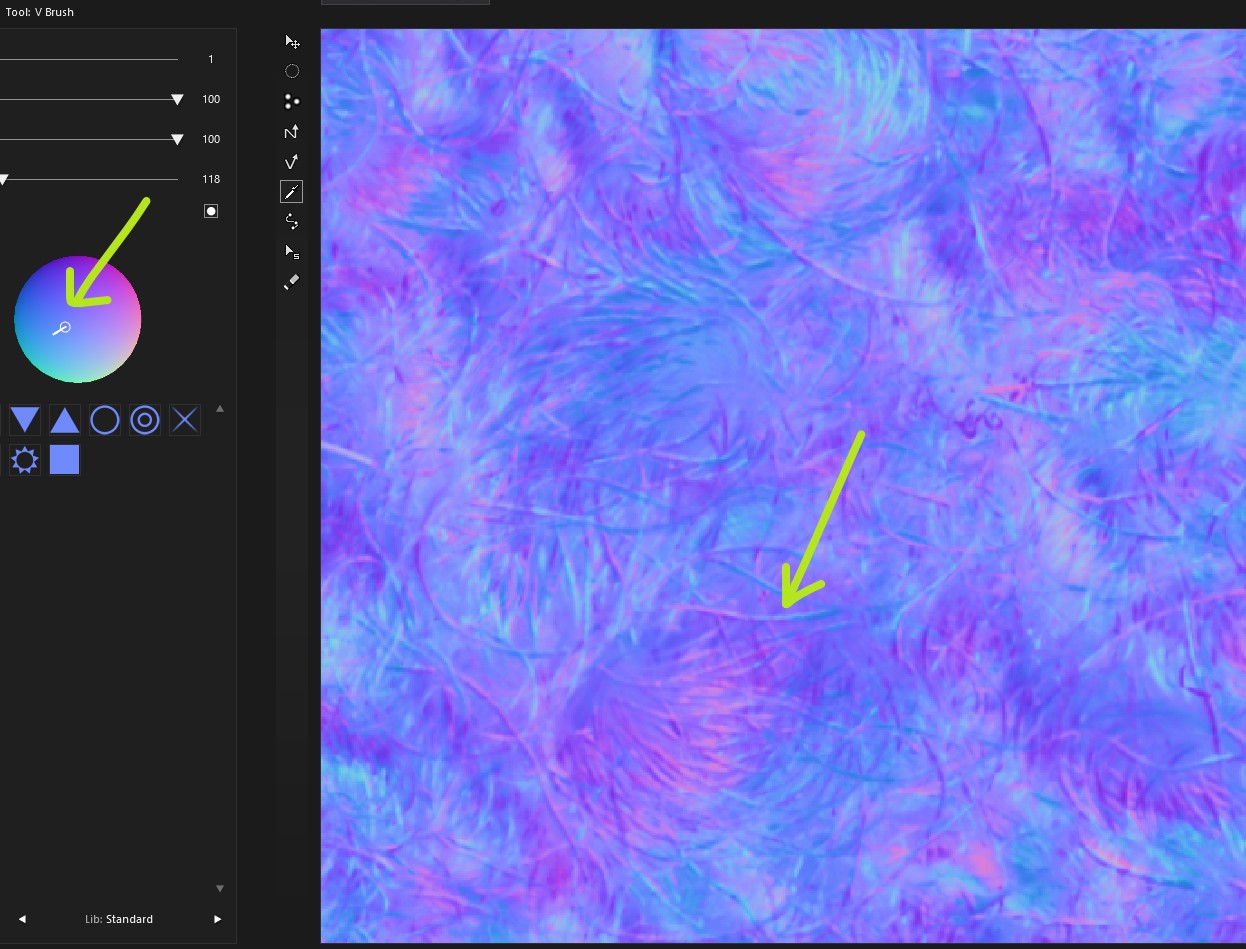
In this image above I use a a 300dpi high quality normal that is at true 1:1 height of the actual fabric weave and you can actually see the change in normal (color) curvature around a single fibre - that is a normal packed with data. A standard CLO3D library normal for a 50cm piece of cloth would be 1/10th of that height (noise) capture in angular light. And often the fabric has had a normal gradient placed over it to flatten the normal down due to sample creasing. Therefore all fabrics will look unnaturally smooth, or hard without the 'fluff' noise you would get in a real fabric with fiber. eg: flyaway's and frot.
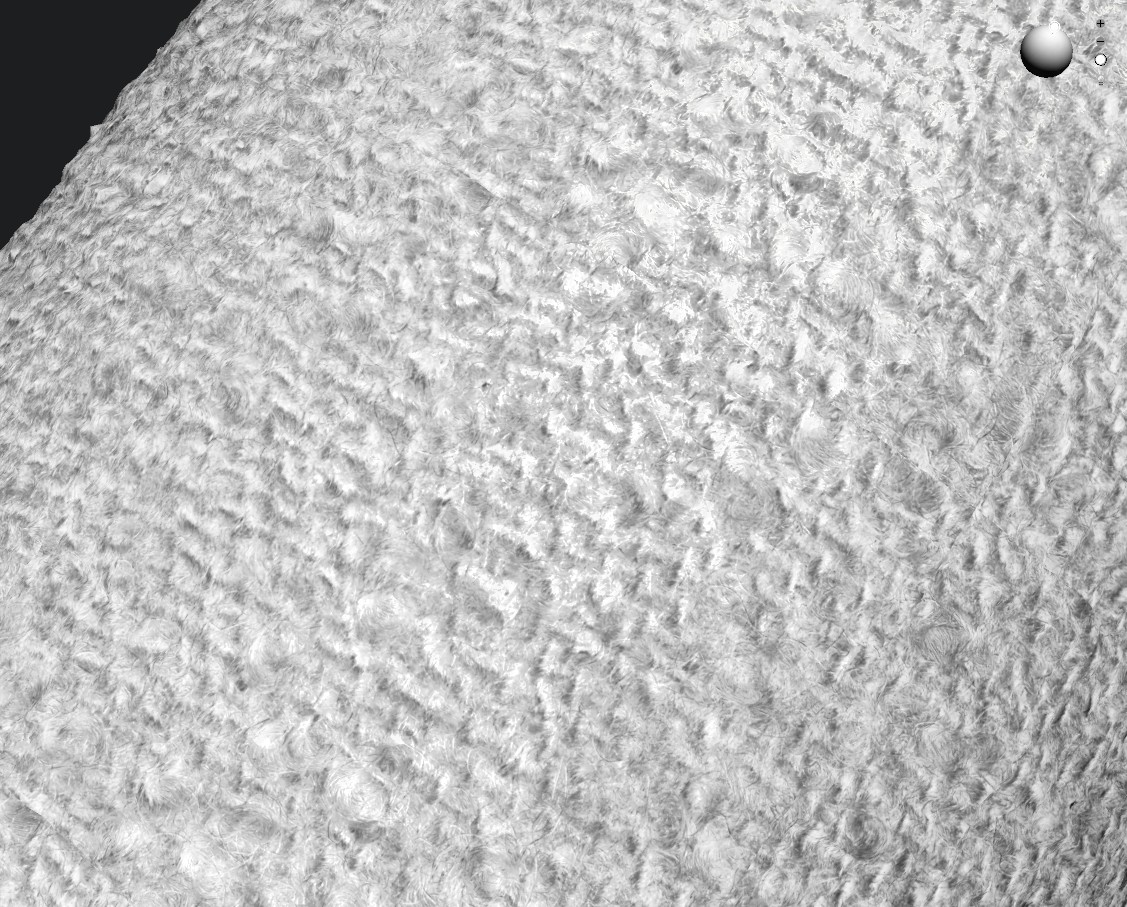
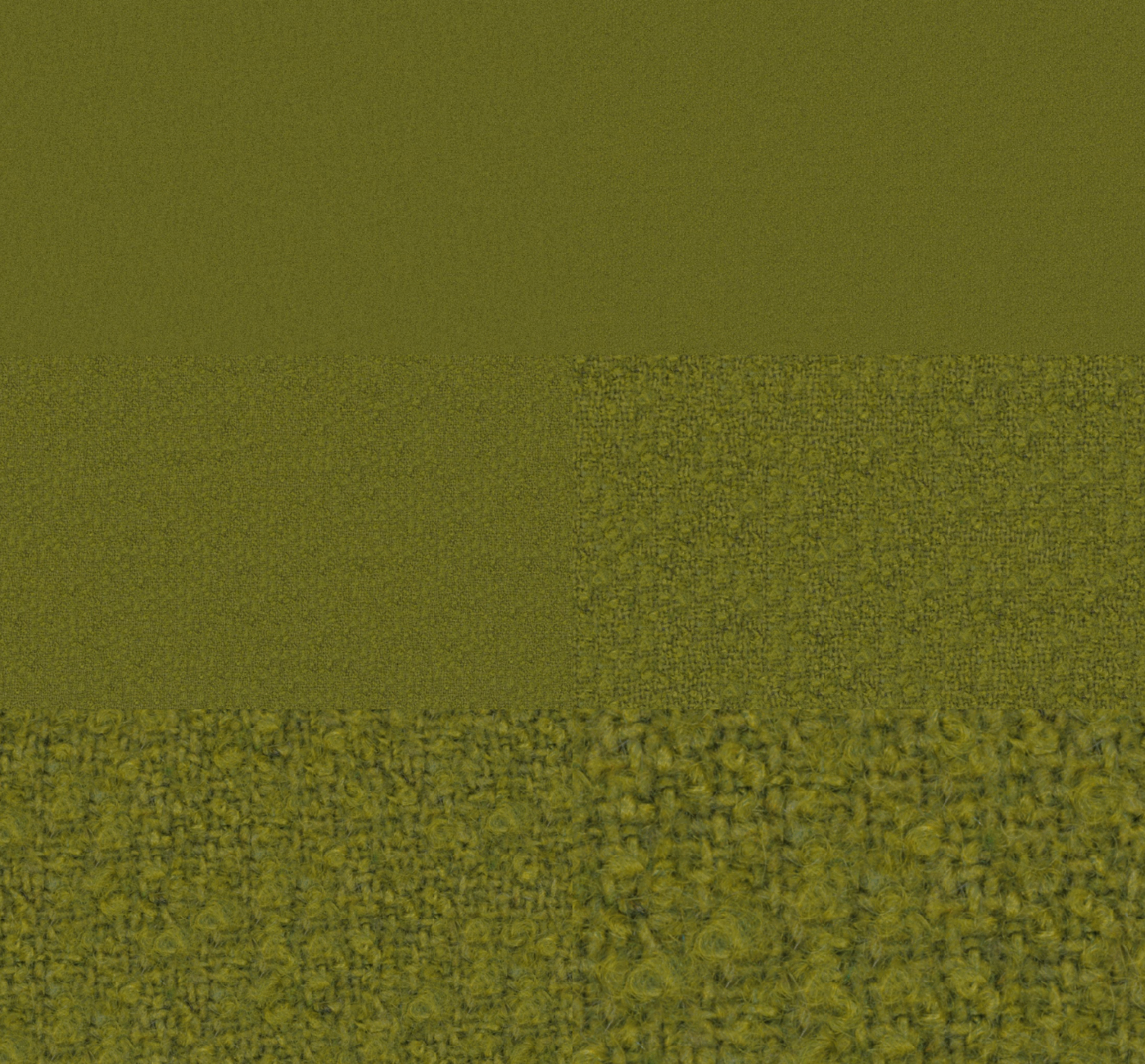
Where the weave repeat (tile) is organic so the fabric structure (texture noise) is perfect at all scales of viewing from distance to close up. Below (this is a 50cm x50cm recomposed digital textile that was captured from a 5cm sample of cloth ). The key is how you redefine the noise data structure so it works seamlessly at any distance. Where the nature of the 'bobbled' surface of the weave changes at different camera distances making the fabric texture the same as a real fabric. If the shader and texture scales were 'normalised' the texture frequency would be in danger of appearing the same at all camera distances, which is not true for real fabric.
 1
1 -
Thanks ottoline sooooo much , i really appreciate your reply
may you tell me more about how can i get very high resolution fabrics and their maps and how can i redefine the noise data structure and get the look of flyaway and frot
can i get this at clo or i need to render at any other software ?
Thanks so much in advance
0
Comentarios