Quality loss baking UV maps for Real Time Graphic Engine

Hi everyone,
I have a texture baking question:
I'm working on a project for a Real Time Graphic Engine E-Commerce platform.
The idea is to offer individual customisation of the products and the client wants to offer numerous different colours+prints for one item.
My problem is that the max file size for textures accepted on this platform is 1024x1024.
>> So when I bake my textures in the UV editor with 1024px my prints get really blurry.
The original graphic file is good with hig res quality. It also doesn't matter how I resize my print image before baking, it seems to be the baking step that results in the quality loss.
Please see the below pics too.
Hmmmmm .... And ideas?
Thank you!
Bad quality map baked with 1024px: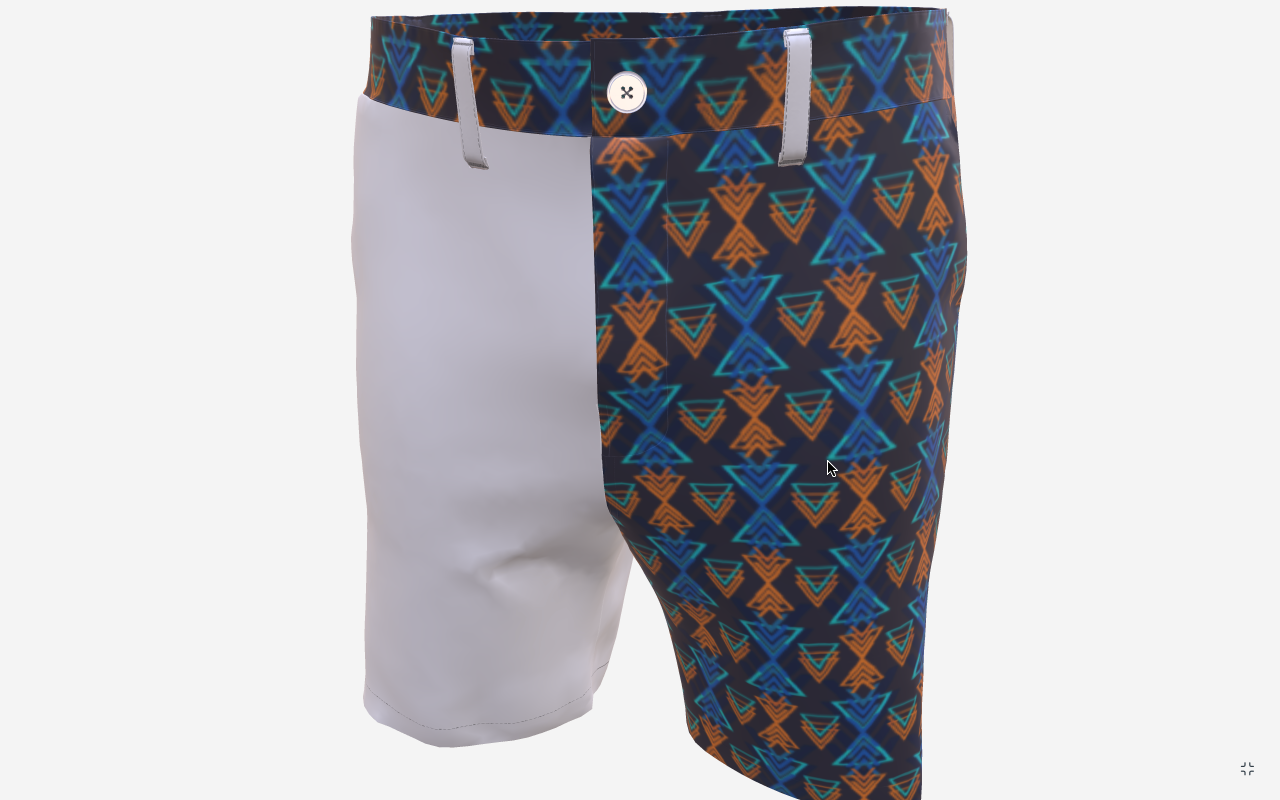
good quality, map baked with 2048px but too big for the real time engine :(
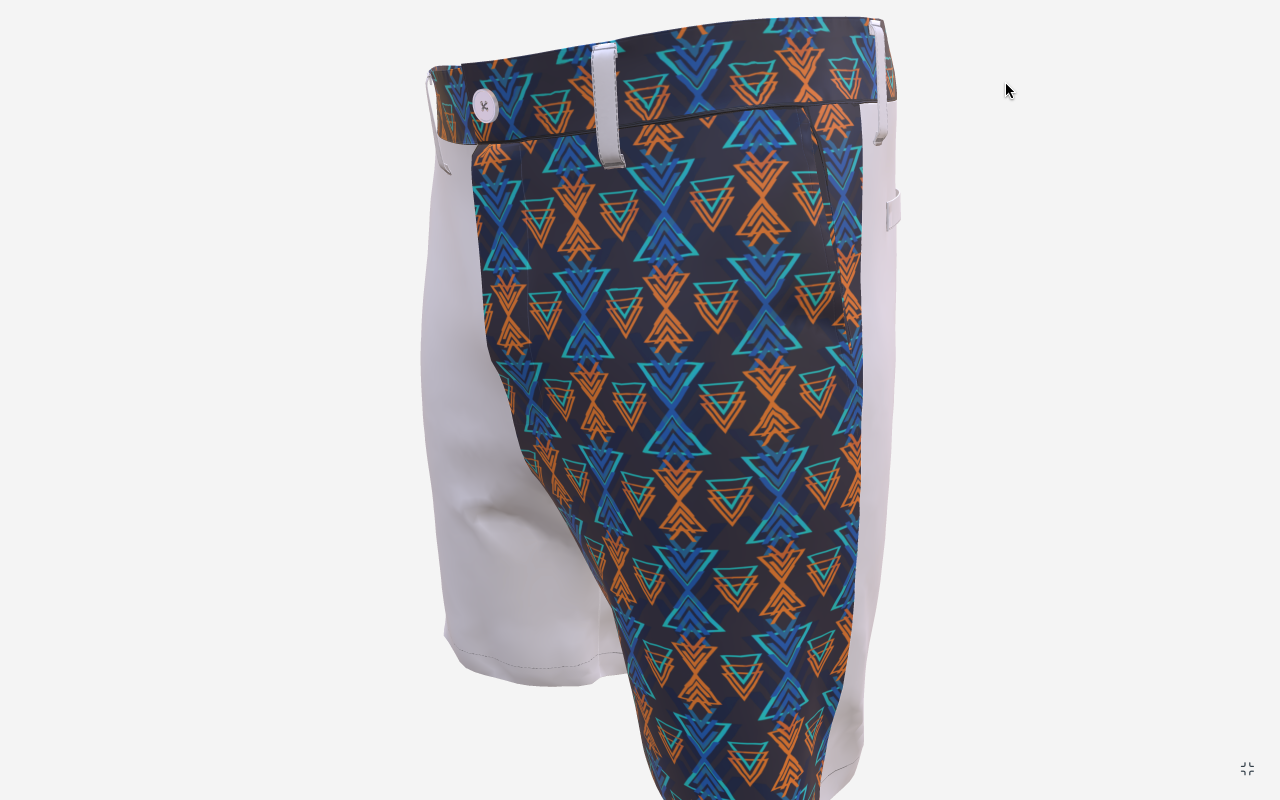
-
If that platform only allows 1024 texture maps for a single object that is pretty much your lot for that 3rd party 'Real Time Graphic Engine E-Commerce platform' unless you open out what that platform can technically achieve with a deeper dive on it's technology. It likely ceases to be a CLO3D issue if it's another digital systems limitation that is at fault - don't you think .... in this instance ... especially if it's a 3rd party pipeline with limitations like you describe ? Not really for CLO3D to solve UV limit problems for other technology pipelines, when they provide UDIM for varying scale UV's within their software at many times higher resolution - the choice is there within CLO3D.
What you could do is attack the problem in another way > by asking is there anybody on the forum (eg banking goodwill) who can suggest how you can get over your external pipeline technology problems with other platforms ... and then people with wider 3rd party digital platform experience might take a view that you could look or investigate other aspects of that external eCommerce system and see if it can take CLO3D UDIM maps that could be sized per pattern piece for example ... which would mean your print scales were relational not to the entire garment UV layout in one single atlas but to the pattern piece UV in a UDIM 1001,1002,1003 etc atlas matrix at a common fabric print scale. That would require you to do some of your own legwork and research on what are the limits or scope of the 3rd party software - eg: like hire a consultant to solve your technical pipeline integration issues for your client - if you cannot do that work yourself, along with maybe increasing your budget for that aspect of the integration job that you may not have quoted on for your client. That way any whoop-see from little visibility on what actually can be achieved with CLO3D (with experience) can be offset against what you may miss out if you are not well versed in the many possible external CG workflows. In the long run roughing out a technical brief for integration can be wise - especially if you now find a quality problem that your client gets lumped with. eg: poor online print resolution. Bailing out a quality issue in hindsight assumes no scoping out on the total digital workflow ... so if you have no experience in doing this type of work (aka technical foresight on how to set up UV's), which is maybe where experienced consultants might help you , best to always scope out a technical brief at the start to ensure you have mapped out the known/unknown technical bottlenecks as a way forward before it's too late, plug those holes, as the cost or reduction in quality once you have done most of the work can be greater than allocating the time and budget to do a paid integration test run early on ... etc.
Rethink how to present the scope of your technical problem by framing where the problem truly lays ... is it a CLO3D technology issue (sounds unlikely from how you describe it as you point to another 'system' with limitations on UV size ) and therefore you need to put more emphasis on what external systems and technologies (eg: name them) so people who can perhaps guide you better to a quick quality solution space that fits your digital integration needs ... eg: get you from A to B more easily through more information to lubricate the wheels on options that you can test out within the scope of fabric print 'quality'. eg: what range or print types and viewing distances for the online endpoints.
0
コメント