Research Pattern Engineering - Block Drafting Methods and testing Garment Fit on Avatar

Hi everyone, (fingers crossed Ottoline also sees this)
I am relatively new to Clo3D and trying to understand what the mechanisms are doing for my project. I am currently deep-delving into drafting methods for block creation and need precise pattern engineering aspects of CLo3D (if it has this). We are talking sometimes millimetres and magnifying glass inspections.
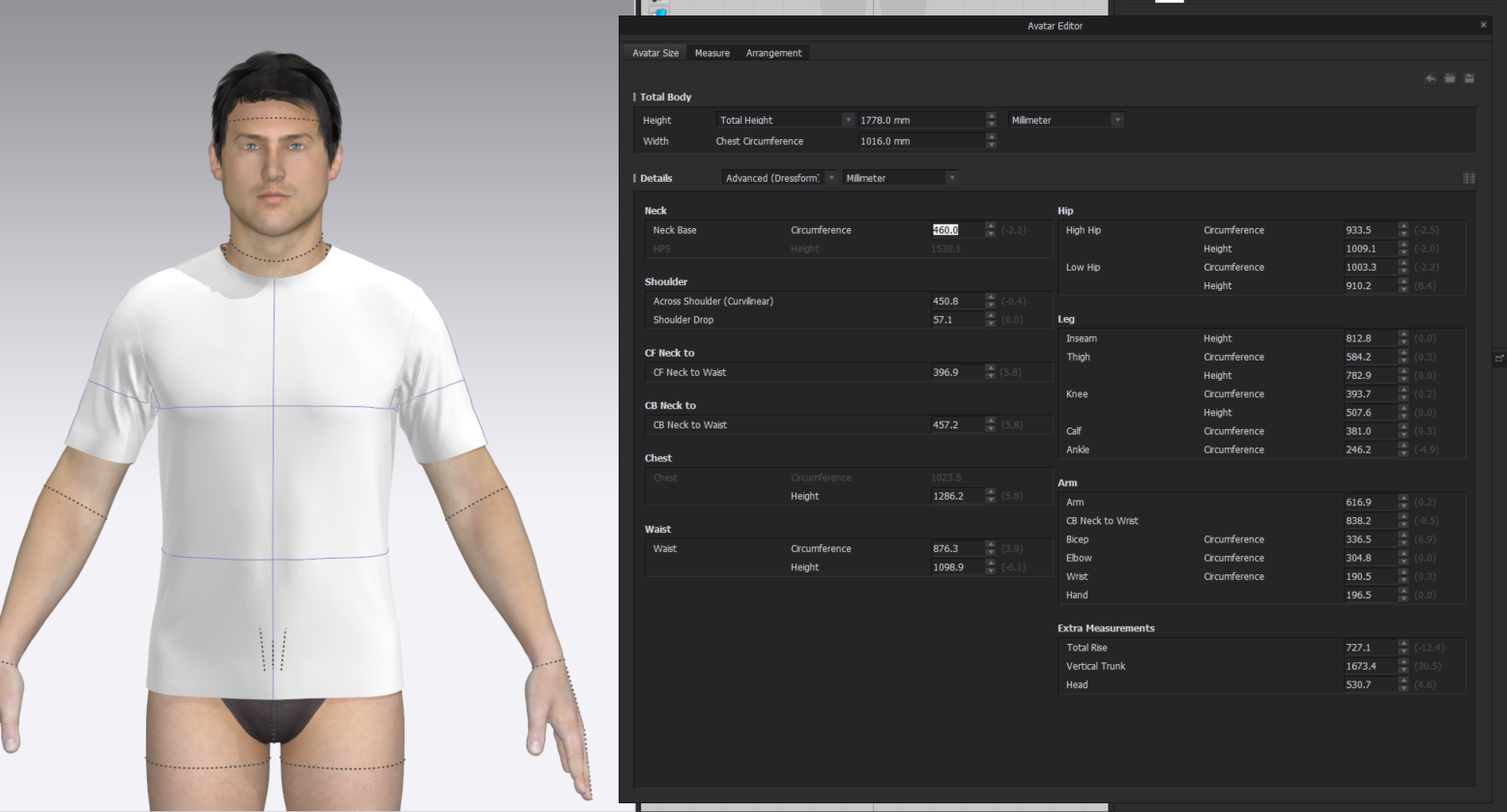
I have tried to fit a the same t-shirt block on a number of different avatars. What I am finding is that Clo3D is making the garment fit regardless, of the mannequin's body size. For example this block is drafted to fit, this avatar the neck base is smaller (38cm). The shirt fits well around the neck and there is not much draping. I've pre-determined the shoulder line on this avatar, because I feel like CLo3D's shoulder line of the avatar is confusing. IF someone can please explain.
I am trying to see if the balance measurements on the block is good, by inspecting where the t-shirt neckline meets at the high shoulder point, shoulder lines matching, hems are straight and garment does not have draping.
Please see the same t-shirt block on different avatars... some minor changes, some exaggerated avatar body measurements. Yet, the t-shirt fits all avatars. Whether the avatar has a chunky neck base, big belly, skinny neck... the garment still fits and balance of the garment still looks reasonable. For example, if someone has a huge belly, the hems should be uneven ....
If someone has detailed explanation on the mechanism of of CLo3D or has an opportunity to sit down on a Zoom call for 30 minutes or so. I would really appreciate it. I am trying to ascertain to which degree Clo3d is useful for precise pattern engineering. My email is jamesmhoang@gmail.com
Thank you
Avatar - Rex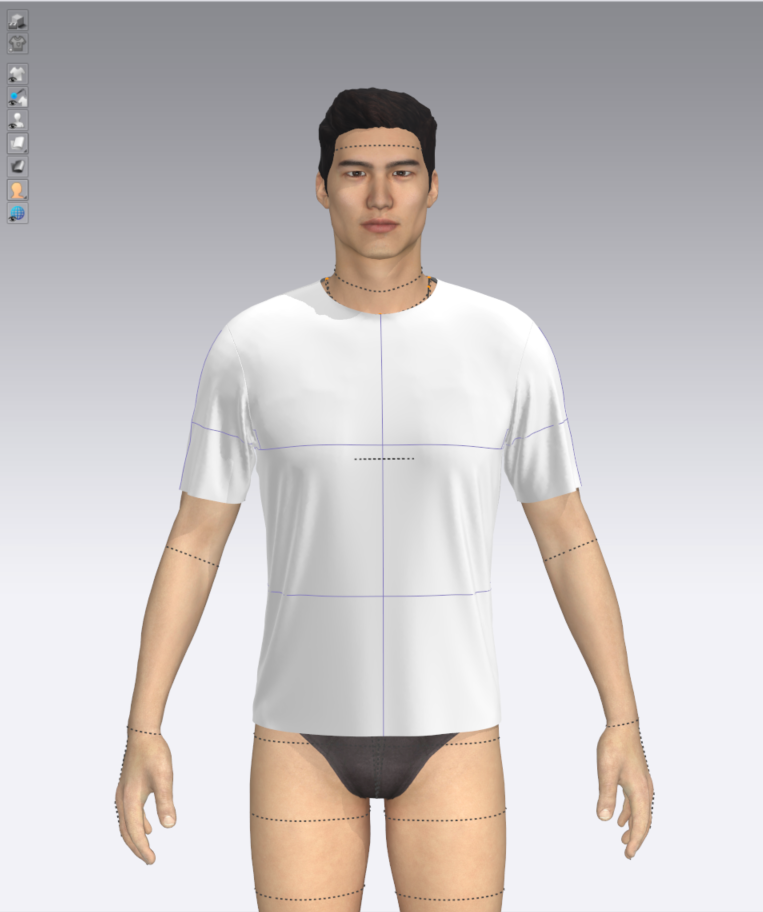
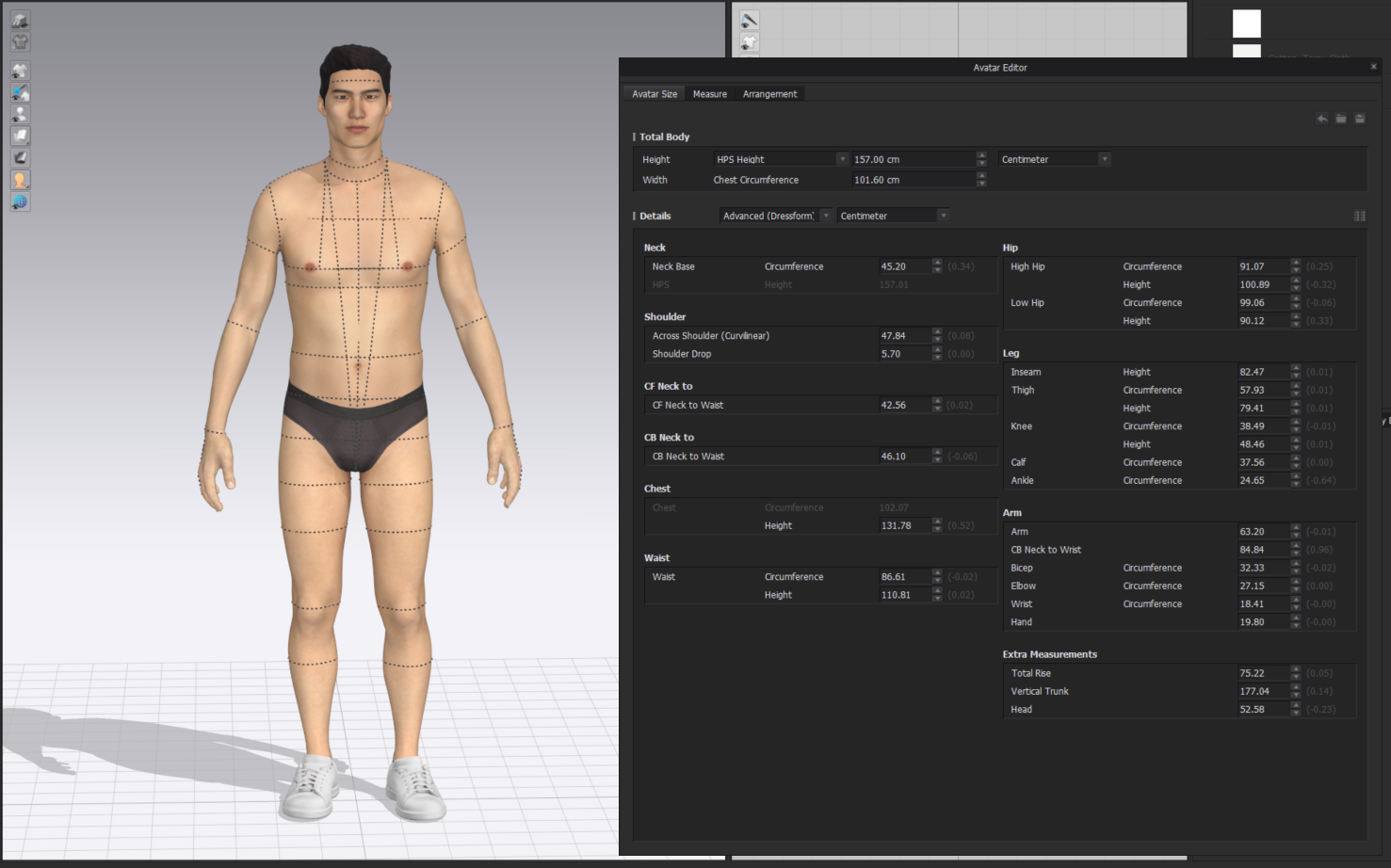
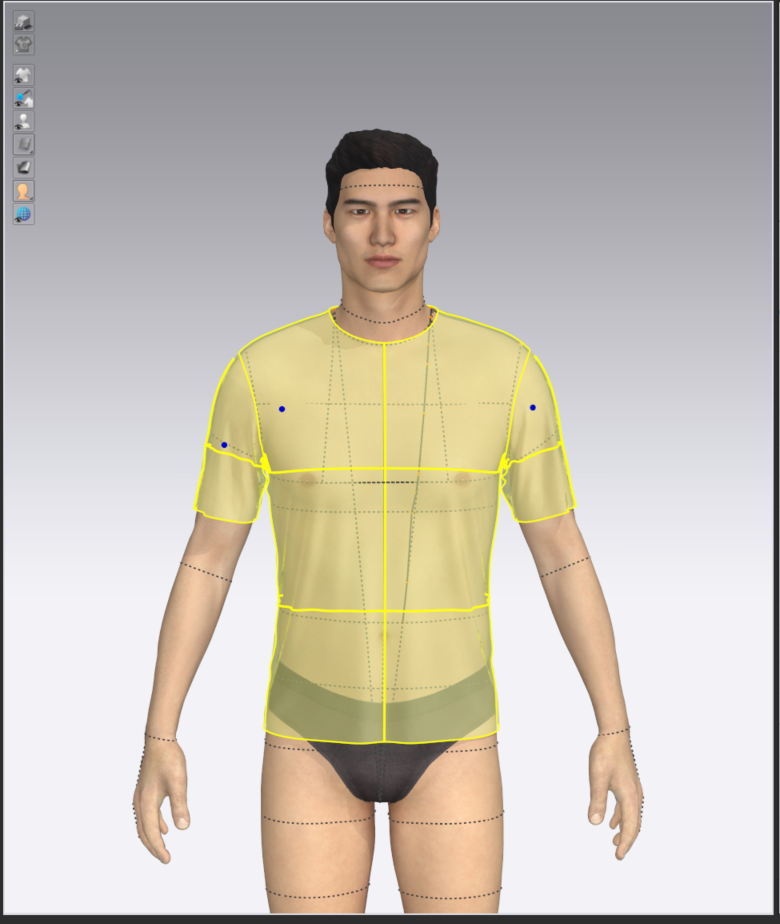
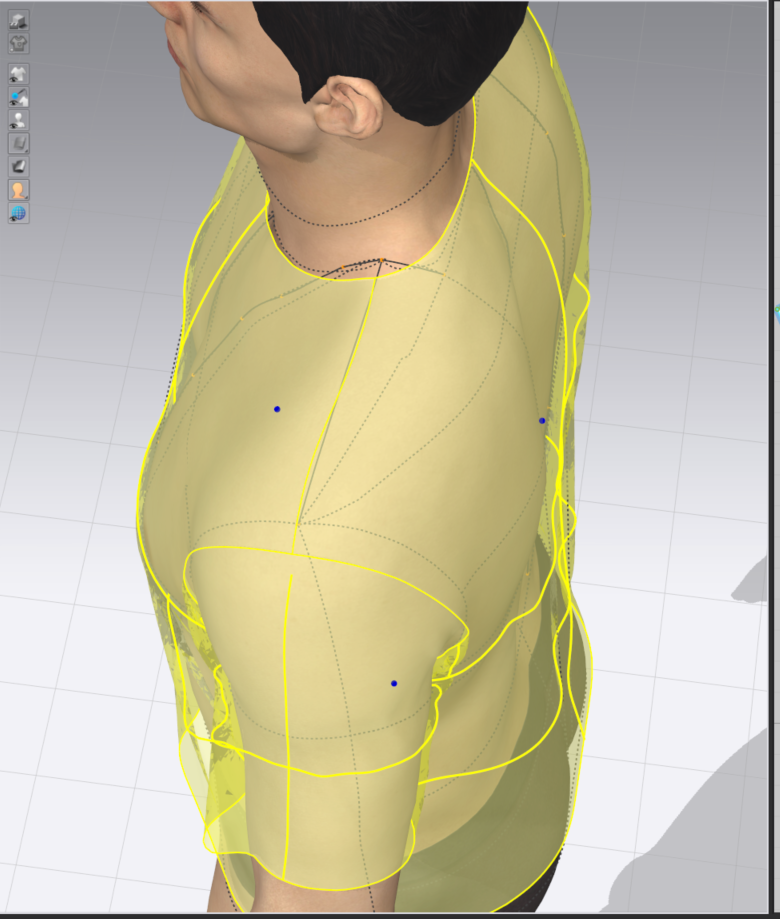
Avatar Remmy
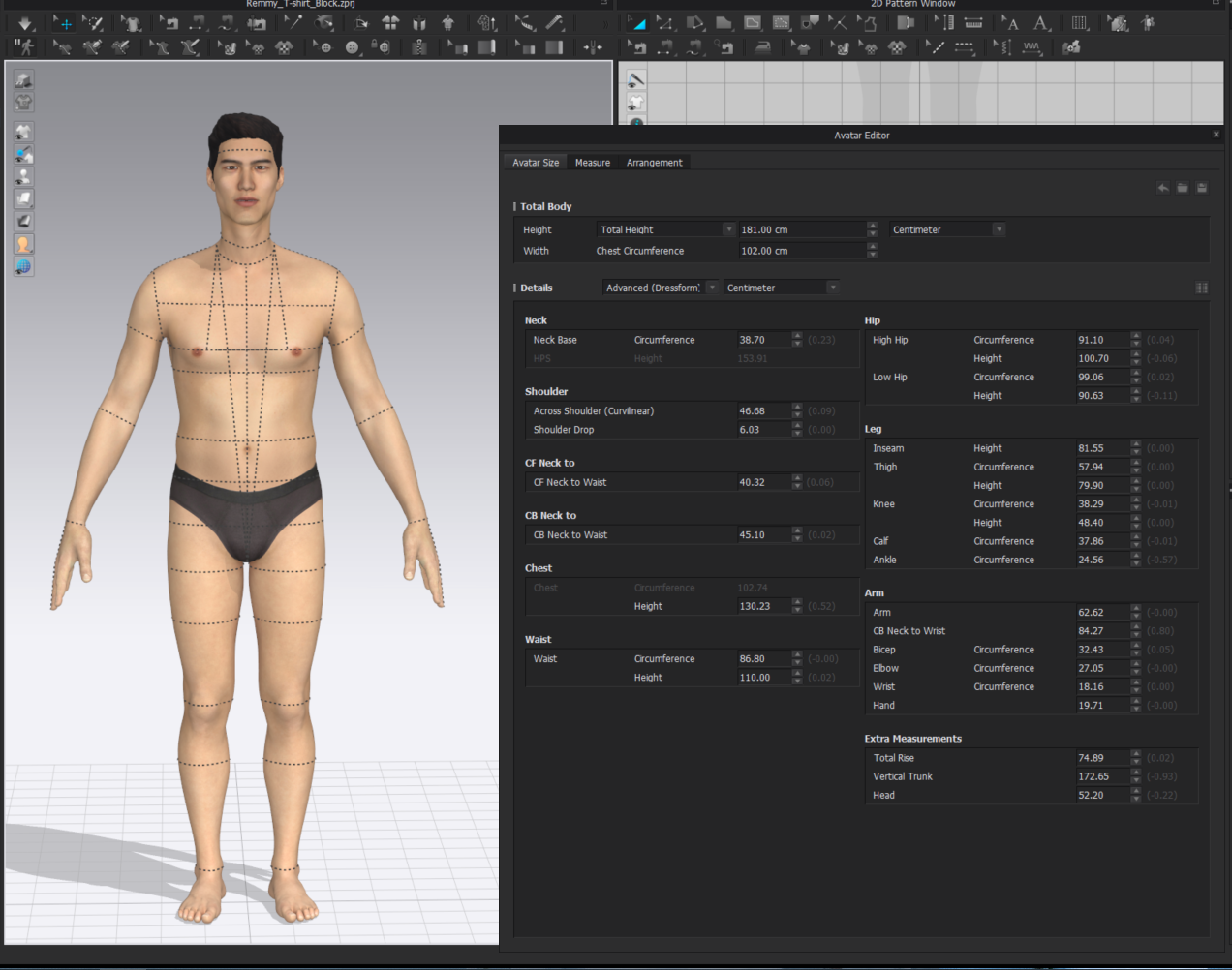
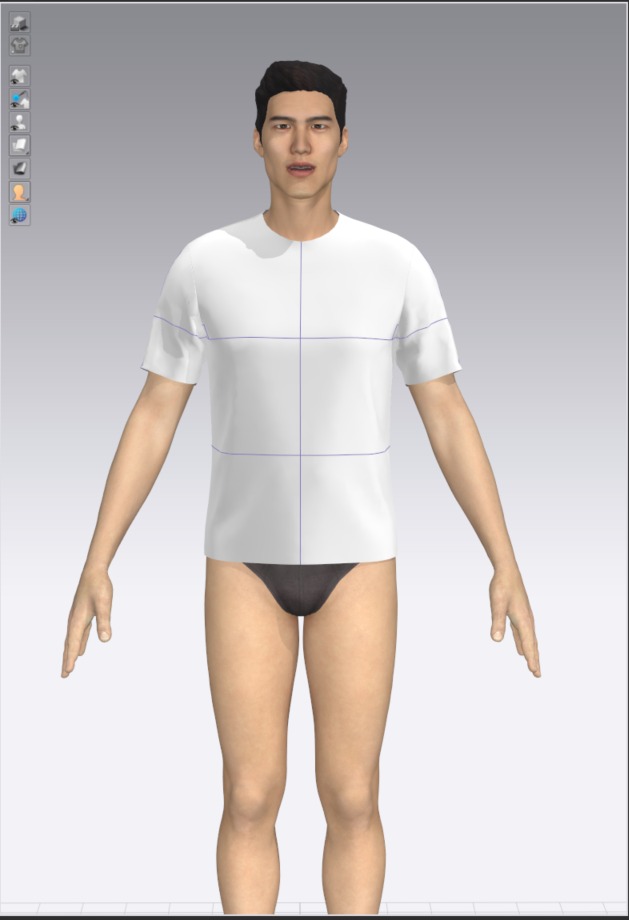
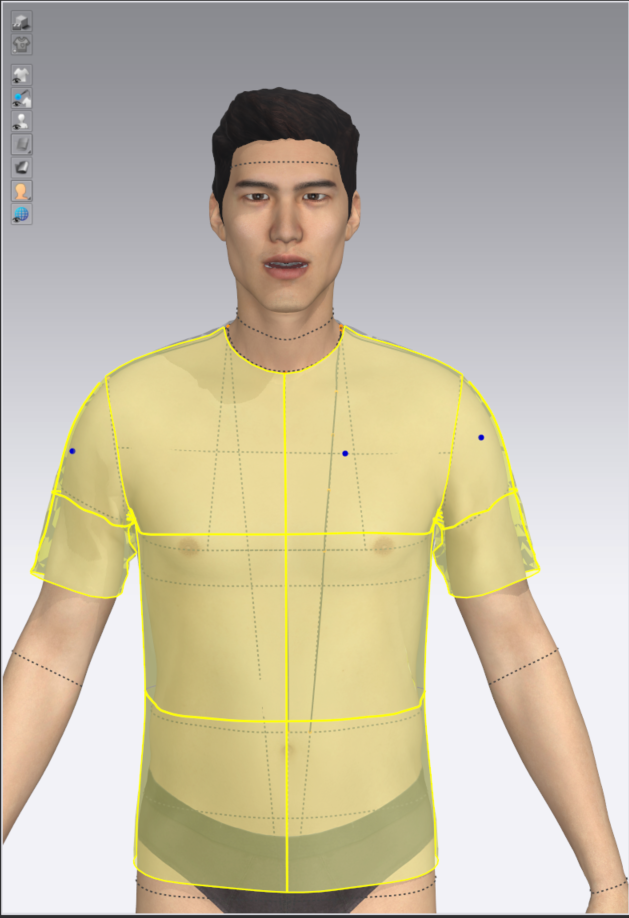
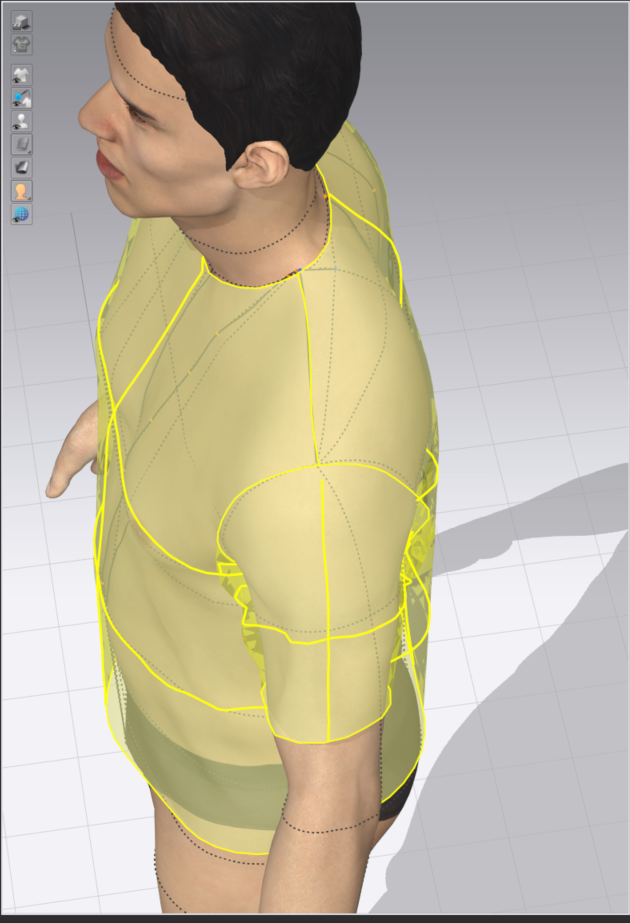
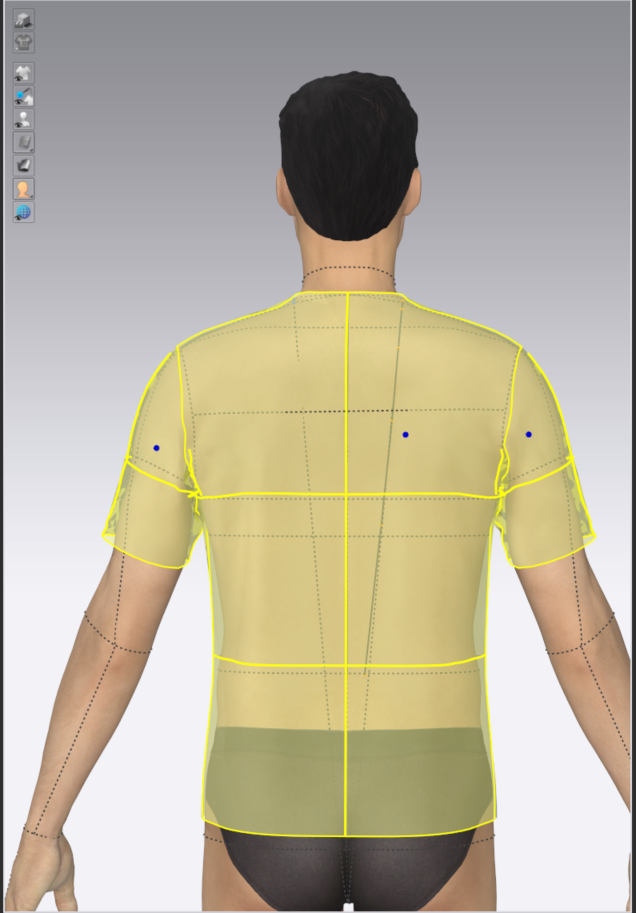
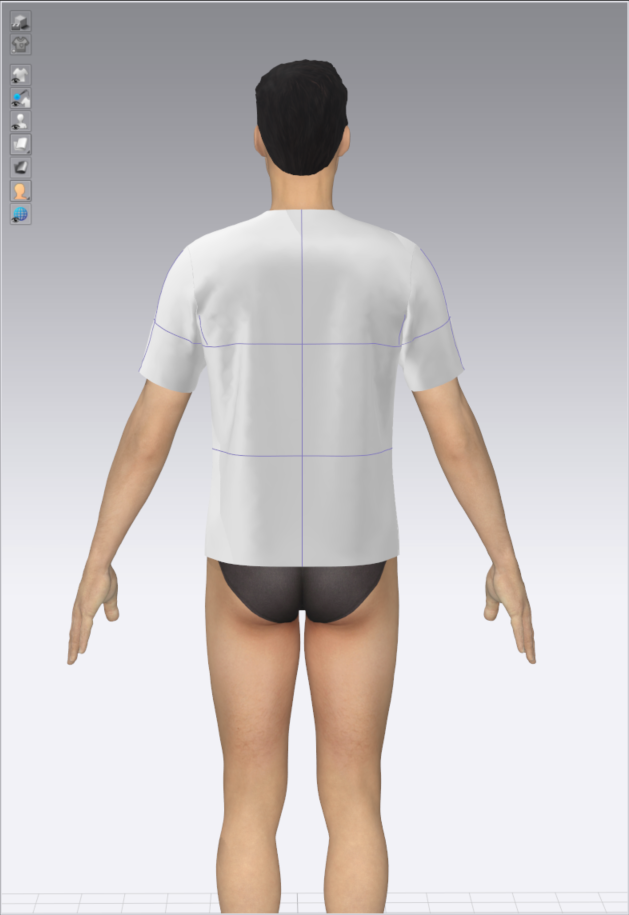
Exaggerated measurements
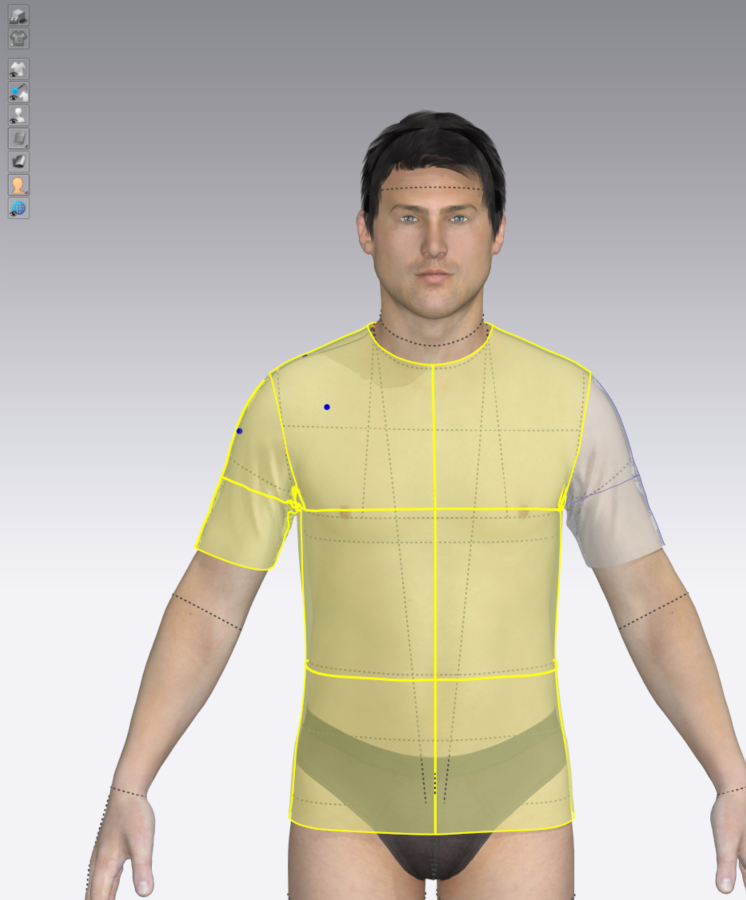

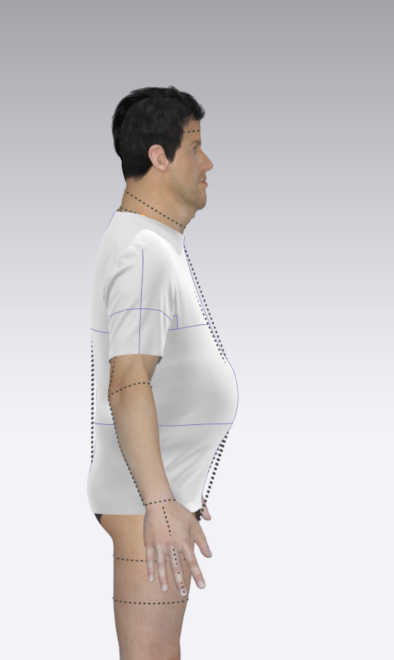
-
Hello James,
got your contact will email you. CLO3D is good for precise pattern making, but like all systems you need to calibrate across your tools. So this means you need to take a long look at both the real world assets and then digital assets and ensure you have both calibrated so when you step from the physical world of atoms into the digital realm of bit & bytes they work in concert.
A couple of high level things you can strategically do will be to do an assessment of your current workflow (real atoms world) into the digital domain space. This could include both blocks and manikins you may already use and capturing technical file inputs you have used previously as digital landmarks, along with any key tailoring lines,such that they also work (as reference datums) with CLO3D in a controlled manner.
For example if you have a historic library of blocks and manikins you could create a digital copy of that in CLO3D (scan) as a 3D drape datum on any character avatar, and then use that as a control. Alternatively if you are going to use CLO3D avatars then you may also want to set a atoms world manikin to that baseline as a real made item for a checking tailoring form. In general the CLO3D avatars and cloth sit 3mm offset, you may need to calibrate that collision offset from the default to get a real world understanding on the fit tolerance error (you can also slice the avatar and garment to get a girth tolerance between fitted clothing and avatar body) .... so a few things to look at.
You can also set fabric physical presets (and fit scales) to not just work at the default settings but adjust them to a baseline block such that you have an accumulated production (tolerance) control you can trust as you step into other grading sizes. I would typically suggest two blocks (a size 10 for female) and then an extra large rather than grade from one block only. And the same for men for tailored garments (tee shirts this is not perhaps needed) however I would always break the block creation into two baselines for grading from rather than only one ... as the extra large waistline body silhouette greatly changes and can cause body posture and block fit issues that simple grading rules might not cater for alone. So dependent on the garment area (eg: sportswear, yoga, performance garments) you need to scope out the need for a few avatar to manikin break-points that minimize risk and improve quality of trust in the digital fit. One avatar character adjustment fits all is maybe too coarse an approach if your brand needs a tight focus on market fit & quality for a specific end market. eg: over 40 men, driving motorcycles where mid-rift bellies and arm girth tend to be proportionally larger than the norm. So sometimes you need to be confident where you decide to break away from the 'average' joe of recommended garment sizes and decide to actively take ownership of your customers fit profile. I have a inhouse technical term we have coined for this aspect of digital work - we call it 'Fit Culture' and it extends all the way from the digital to the physical atoms manikins.
1
Commentaires