how to make wrinkled fabric

on padded jackets with seamless wadding I can't give the fabric a wrinkled effect, can you help me?
-
You can try using a low particle distance and a softer fabric like nylon featherweight. After that, go to the normal map route to add higher frequency wrinkles.
Here is one thread that might help.
How can I create shadows and wrinkles in my jersey? – How can we help you? (clo3d.com)
0 -
Thank you very much, the wrinkled paper effect normal map is a fantastic idea !! I try and let you know-1 -
One of my most important texture library tools for fabrics, I literally have thousands of crease maps for all sorts of materials. This is actually one of the best ways to do it, even with larger scale sheets of paper or white fine linen, as you need to strip out the crease map (frequency) from the fabric weave texture map.
This way you can recreate ALL and I mean ALL fabric textures using a small texture scan (12mm diameter) is what I use (called 'spot digitization') a relighting method we created about 8 years ago, (using collinear light from a floating lightsource - which produces no shadows and allows incredible texture detail). More advanced than the TAC7 at a fraction of the cost and many times faster. And then we recreate large area's of fabric with normal and bump map blending off the frequencies allowing you full control of any type of crease detail in a garment > you simply flat form all the depth and normal map to an additional pattern set that matches your garment.
We have the process fully automated, 3 seconds to scan the crease textures and create a full set of effects brushes into texture atlas (Trim sheets) which are crucial for seam detailing > then splits out all the frequency and recombines it into a smart fabric library system.As CLO3D now allows normal map blending of the pucker and fabric weave it means my entire texture library is completely usable as are all my seam edge trim sheets). They should have done this 5 years ago.
So creating frequency maps as matching texture assets is 10X more advanced than Adobe Substances library approach to farbrics, vizzo or TAC7 for fabric texture capture at source, as it will give you way, way more technical control. And your library assets are more usable as you get millions of possible permutations all categorized for artistic control.
I think that most of the current crop of texture vendors really messed up how they approach fabric texture reconstruction, so we reinvented the process some time back and took an entirely different approach > faster > higher quality > more artistic control > better texture detailing > more options with fewer assets. win, win all the way.
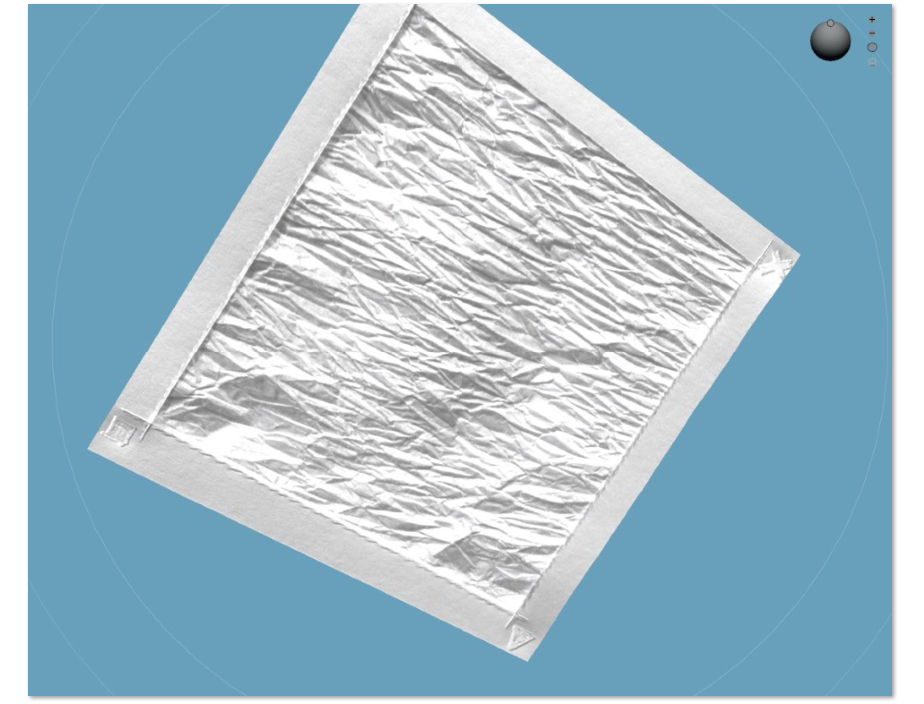
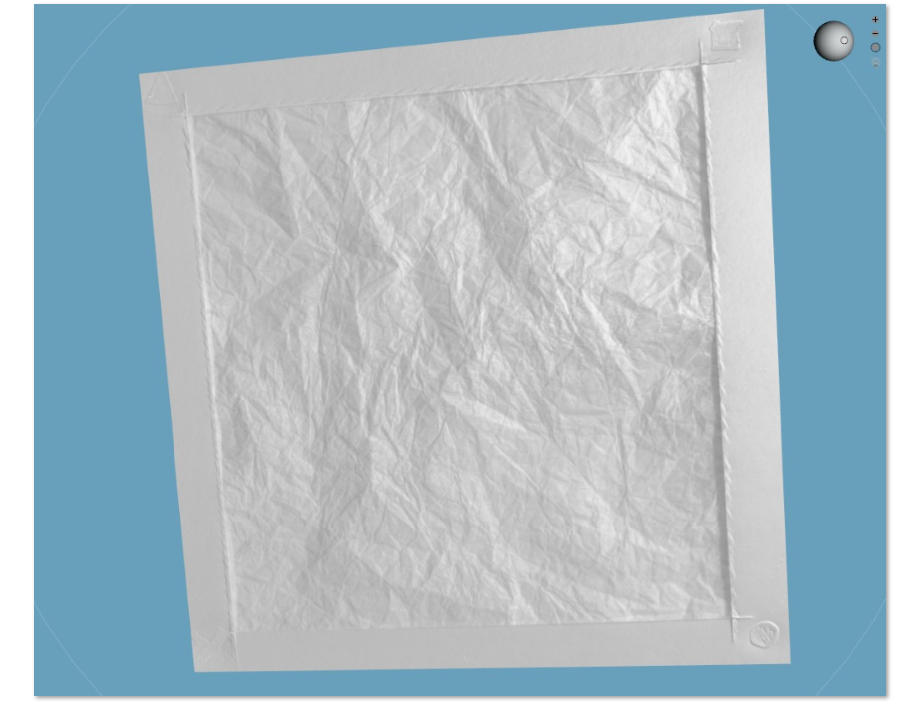
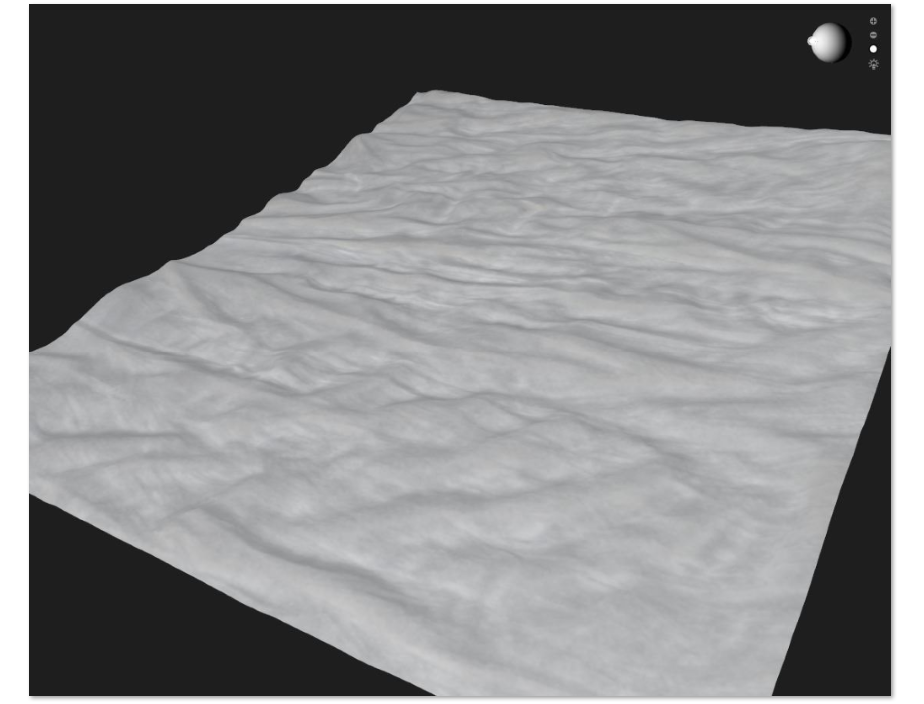


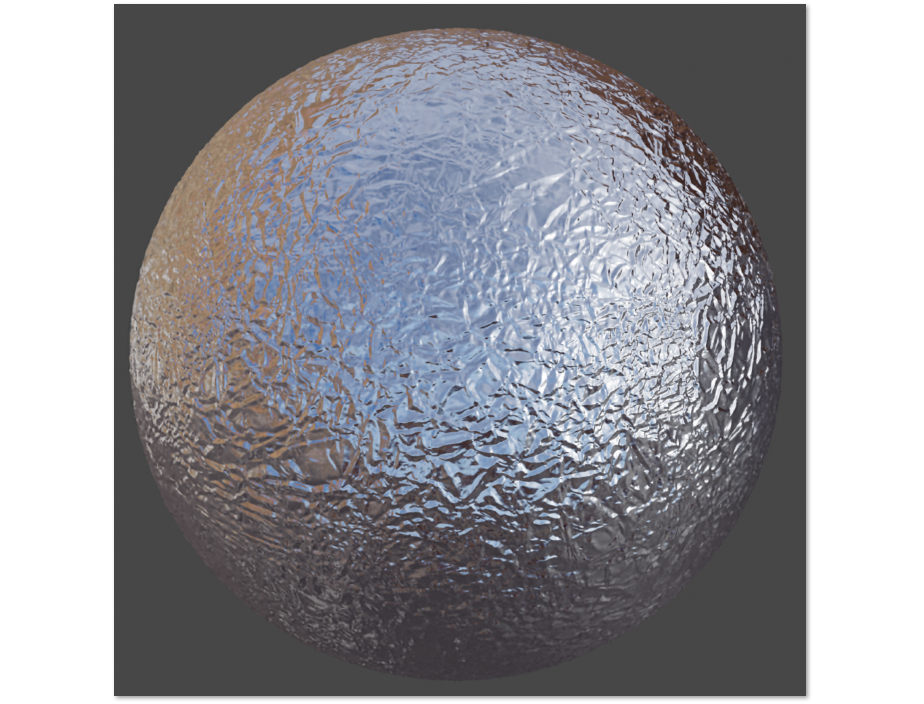
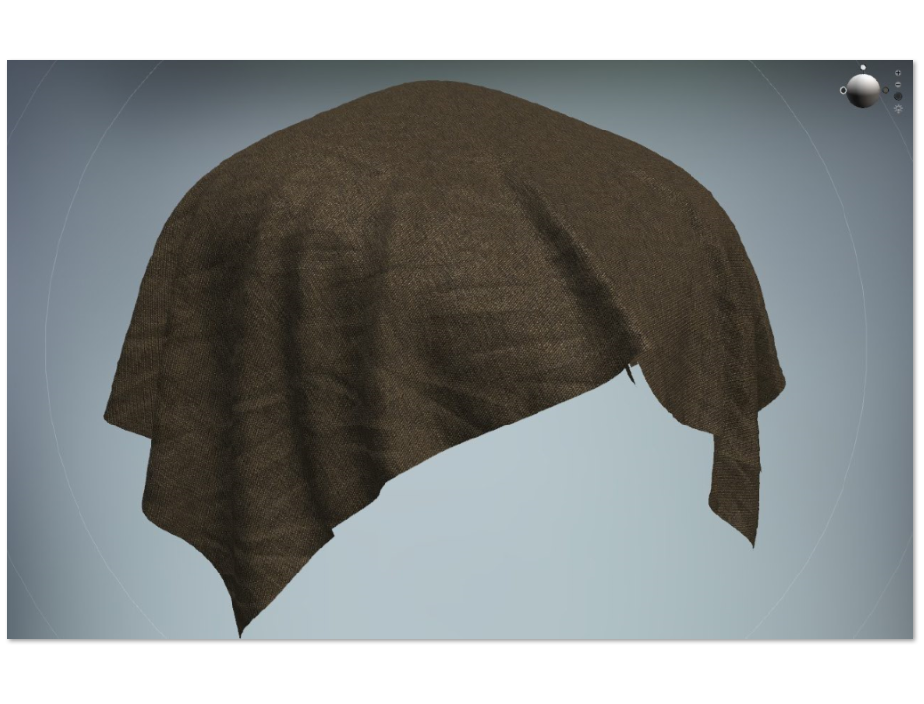
Our process also allows me to strip out the weave (yarn) frequency into separate elements using smart vision control, this means I can relight each weave and it's fibre optic quality (light transmission) so when the fabric is lit from a studio HDRI it will render correctly across a garment. No matter how complex the fabric weave.
You won't get that level of technical capability from Vizzo, Tac7 or Adobe substance. (they don't even capture this level of light quality) And this is done at 100th of the cost and in under 3 seconds ? Bonkers to think you should use commercial fabric texture technology when you can do much better doing it yourself with some lateral thinking.
Time for people to start thinking for themselves as you can get much better Digital Fashion garment quality if you don't buy into the conventional texture vendor suppliers. They really have missed a lot of the fidelity on fabric digitization and then provided really slow and costly approach. ATo be honest it needn't be that way - you can do better by thinking for yourself. The key is > how do you decompose a fabric into all the elements that then allow you to reconstruct it. Creasing is one of those key elements.
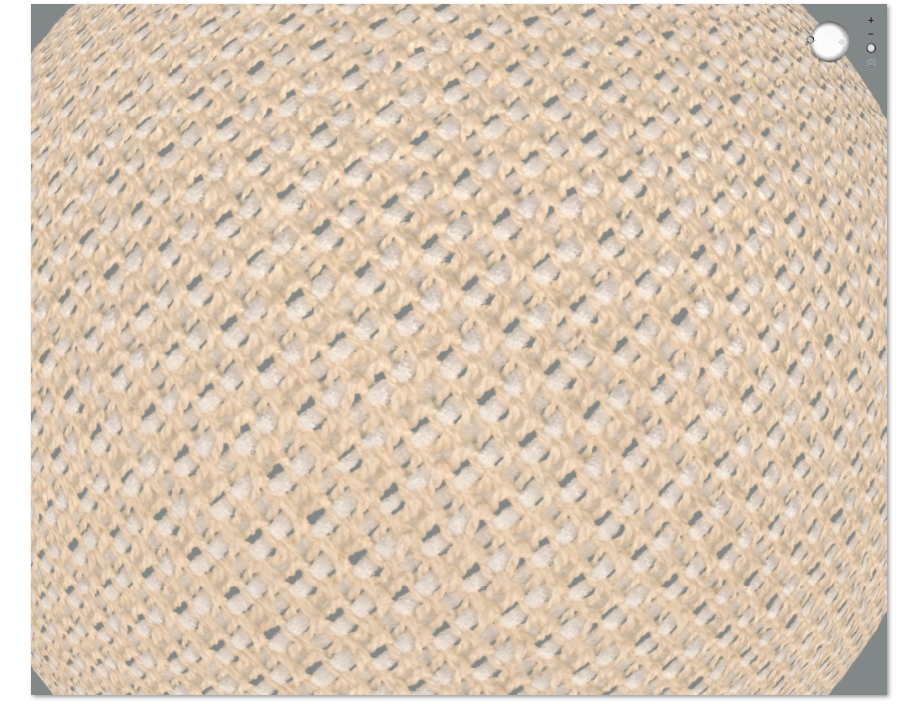
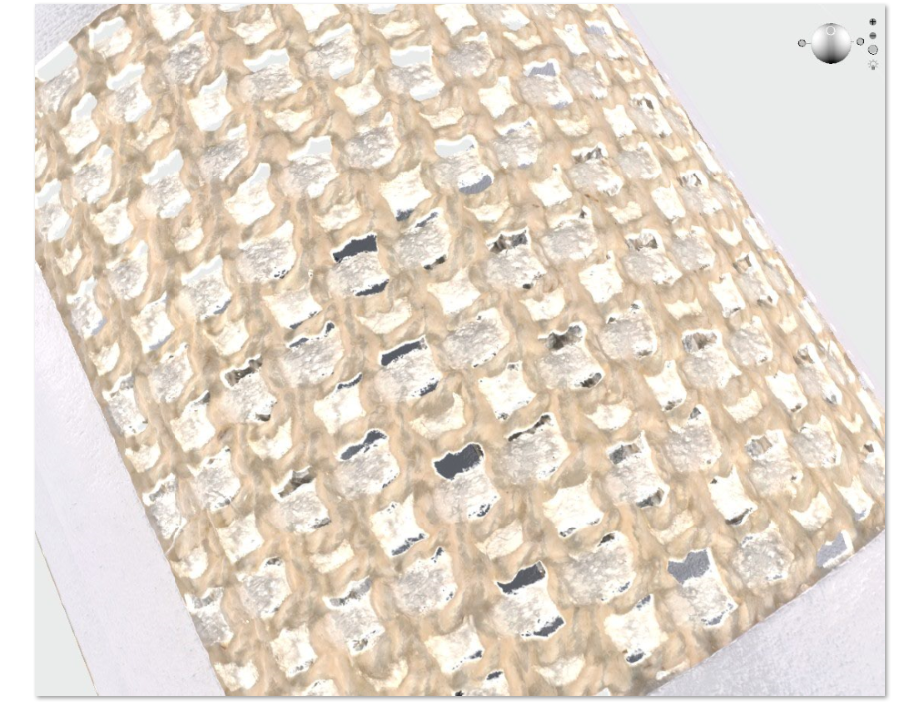
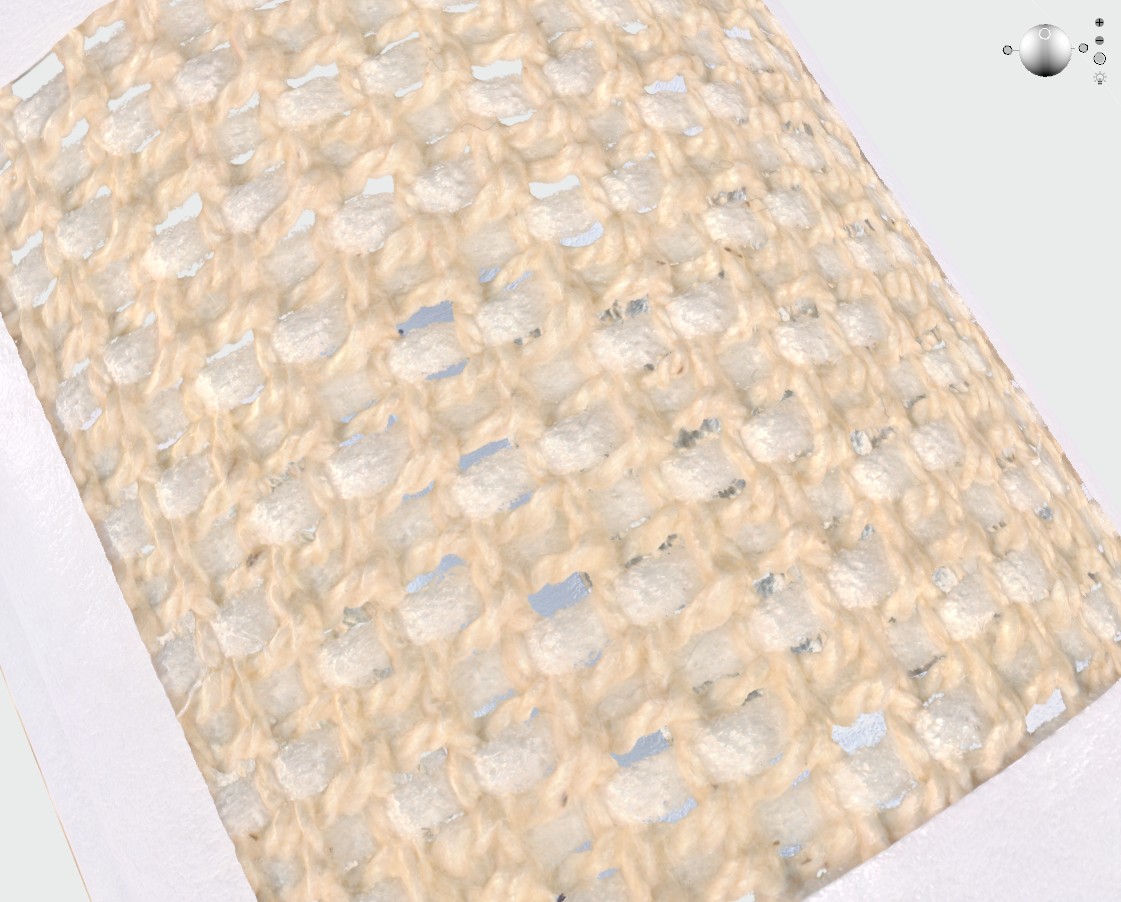 0
0
Comentarios